







































:max_bytes(150000):strip_icc():format(webp)/iphone-17-pro-d7ae6571d5b147ab8312e83b4d30a5a9.jpg)















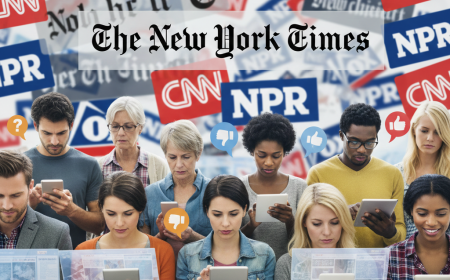
Public Trust in US Media Continues to Decline
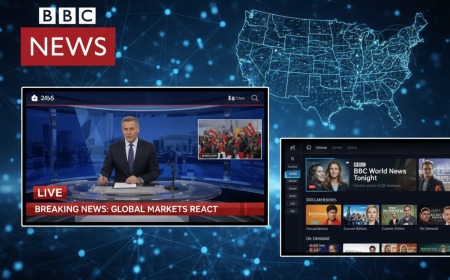
In an era dominated by rapid technological advancements and an unprecedented influx of information, trust in traditional news media and social platforms has become a focal point of public discourse. Recent surveys reveal a complex and evolving landscape where skepticism reigns supreme, raising critical questions about the future of journalism and the role of social media in shaping public opinion.

Trust in Transition: An In-Depth Analysis of Public Sentiment Towards US News Media and Social Platforms
A recent survey conducted by the Pew Research Center highlights a troubling trend: only about 26% of Americans express a great deal of trust in the news they consume. This figure represents a significant decline from previous years and underscores a growing disconnection between media outlets and the public. The survey indicates that perceptions of bias and misinformation are primary drivers of this erosion of trust. Among respondents, 71% reported that they believe news organizations are influenced by political affiliations, while 68% expressed concerns over the accuracy of information presented.
Further complicating this landscape is the role of social media platforms like Facebook, Twitter, and Instagram. A separate study conducted by Gallup found that only 15% of Americans trust social media as a source of news. This distrust is particularly pronounced among older demographics, who often cite concerns over the spread of misinformation and the lack of accountability in content moderation. Conversely, younger audiences, while more engaged with social media, also express wariness, with 61% of respondents aged 18 to 29 indicating that they believe social media platforms contribute to the polarization of public discourse.
According to experts, the decline in trust towards both news media and social platforms can be attributed to several factors. First and foremost is the growing perception of partisanship. Many Americans feel that news outlets cater to specific ideological viewpoints, leading to a sense of alienation among those who do not align with those perspectives. This sentiment is echoed in the findings of a 2022 Reuters Institute report, which noted that more than half of Americans believe that news organizations prioritize sensationalism over factual reporting.
Moreover, the proliferation of "fake news" has further complicated the media landscape. A significant percentage of the public now finds it difficult to discern credible sources from unreliable ones. The Pew survey indicates that nearly 64% of respondents believe that the prevalence of misinformation is a major problem for the country, with many calling for stricter regulations on how news is disseminated online. This call for accountability reflects a growing demand for transparency and integrity in journalism, as consumers increasingly seek out sources that align with their values and provide accurate, reliable information.
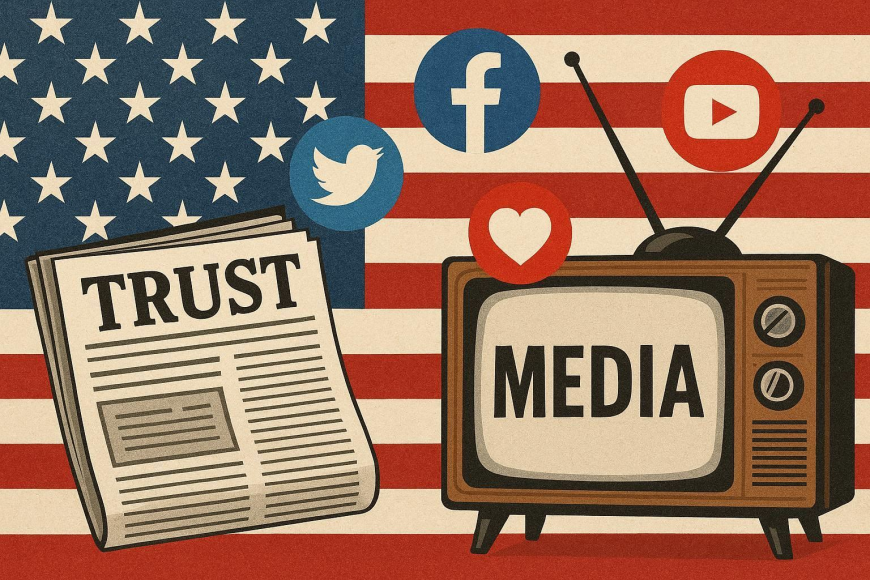
The implications of these findings are profound, not only for media organizations but also for democracy itself. As trust in the media declines, so too does the public's willingness to engage in constructive discourse. Many experts warn that this erosion of trust threatens to undermine the very foundations of civic engagement, as individuals retreat into echo chambers of like-minded opinions rather than seeking out diverse perspectives.
In response to these challenges, media organizations are beginning to explore innovative approaches to rebuilding trust. Initiatives aimed at enhancing transparency, such as providing clear disclosures about funding sources and editorial processes, are gaining traction. Additionally, many news outlets are investing in fact-checking resources and collaborating with independent organizations to combat misinformation effectively.
Social media platforms, too, are facing mounting pressure to take responsibility for the content shared on their networks. Efforts to implement stricter content moderation policies and enhance fact-checking mechanisms are underway, with platforms like Facebook and Twitter introducing new guidelines to reduce the spread of false information. However, critics argue that these measures often fall short, highlighting the ongoing need for accountability and transparency.
As the media landscape continues to evolve, public sentiment remains a critical barometer of trust. Understanding the reasons behind the declining confidence in news media and social platforms is essential for fostering a more informed citizenry and a healthier democratic discourse. In this complex environment, both media organizations and social platforms must prioritize rebuilding trust through honesty, accountability, and a commitment to journalistic integrity.
In conclusion, the current state of trust in US news media and social platforms is a poignant reflection of broader societal challenges. As misinformation proliferates and public skepticism grows, the imperative for credible journalism and reliable social platforms has never been more urgent. The path forward will require concerted efforts from all stakeholders to restore faith in the institutions that play a vital role in shaping public understanding and discourse in an increasingly complex world.
Comprehensive Global Context and Expert Insights
Taking a broader perspective on this matter reveals that it is part of a larger, interconnected series of global events. The nuances involved require a balanced analysis that considers historical context alongside immediate impacts. Observers suggest that as more data becomes available, the long-term significance of this development will become clearer, potentially influencing policy and public perception across various regions. Our editorial team remains dedicated to monitoring these trends closely, ensuring that our readers receive the most accurate and in-depth information as the situation continues to unfold in the coming months.
Article written by: Sarah Jenkins
What's Your Reaction?
 Like
0
Like
0
 Dislike
0
Dislike
0
 Love
0
Love
0
 Funny
0
Funny
0
 Angry
0
Angry
0
 Sad
0
Sad
0
 Wow
0
Wow
0