












































:max_bytes(150000):strip_icc():format(webp)/iphone-17-pro-d7ae6571d5b147ab8312e83b4d30a5a9.jpg)















Federal Reserve's Stance: Navigating Inflation and Rate Hikes in Q4
A detailed review of the latest decisions by the US Federal Reserve and their projected effects on consumer lending and the housing market.
In a landscape marked by economic uncertainty, the United States continues to navigate the delicate balance between inflation control and economic growth. The latest Federal Open Market Committee (FOMC) meeting has underscored the Federal Reserve's commitment to a 'higher for longer' interest rate strategy, aimed at mitigating inflationary pressures without inadvertently triggering a recession. This cautious approach has profound implications for the U.S. economy, particularly in the housing market and corporate borrowing sectors.
During the FOMC's recent session, the central bank opted to maintain its benchmark interest rate in a range of 5.25% to 5.50%. This decision reflects an ongoing assessment of economic conditions, particularly as inflation remains stubbornly elevated. In September, the Consumer Price Index (CPI) showed a year-over-year increase of 3.7%, slightly down from previous months but still above the Fed's long-term target of 2%. The committee members expressed a consensus that while inflation is showing signs of moderation, it is not yet time to shift away from their current monetary policy stance.
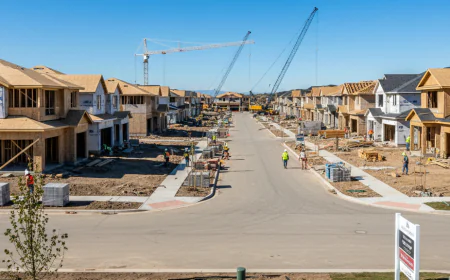
The Federal Reserve's approach is characterized by a careful balancing act. By keeping interest rates elevated, the Fed aims to cool consumer demand and, consequently, price increases. However, this strategy has inadvertently led to significant volatility in the housing market. Higher borrowing costs have translated into increased mortgage rates, which have dampened home sales and slowed the pace of new construction. According to the National Association of Realtors, existing home sales fell by 2% in August 2023, marking a significant slowdown in a market that had previously shown resilience.
Moreover, the impact of the Fed's rate decisions extends beyond residential real estate. Corporations are grappling with higher borrowing costs, which have repercussions for investment and expansion plans. The cost of financing has surged as businesses look to secure loans for operations or capital projects. The S&P 500’s Corporate Bond Index has reflected these pressures, with spreads widening as investors demand higher yields to compensate for perceived risks. As a result, many companies are reevaluating their capital expenditure plans, which could lead to a slowdown in economic growth.

Economists and market analysts are closely monitoring the situation, noting that while the Fed's strategy is designed to prevent overheating in the economy, it also runs the risk of stifling growth. The potential for a recession looms, with some analysts warning that continued rate hikes could lead to an economic downturn if consumer and business sentiment deteriorates further.
"While the Fed's intention to manage inflation is clear, the long-term sustainability of this strategy is uncertain," said Dr. Jane Thompson, an economist at the Brookings Institution. "We need to consider the cumulative effects of these rate hikes and how they influence consumer spending and business investment."
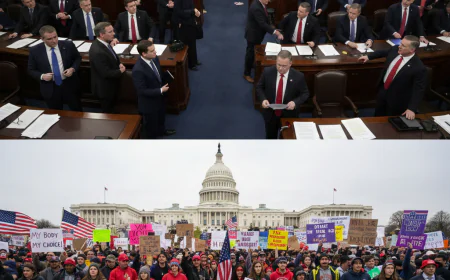
As the Fed continues to navigate these complex dynamics, it faces increasing pressure from both sides of the political aisle. Some lawmakers advocate for more aggressive measures to rein in inflation, while others caution against overstepping, emphasizing the risks that could arise from higher rates. The balance of these competing interests will be pivotal as the Fed prepares for its next meeting.
Looking ahead, the central bank's ongoing commitment to a 'higher for longer' rate policy will be tested in the coming months. Economic indicators, including consumer spending, employment data, and inflation trends, will provide critical insights into the effectiveness of the Fed's approach. The potential for further adjustments to interest rates remains on the table, with the FOMC signaling that it is willing to act if inflation does not show clear signs of further decline.
In conclusion, the Federal Reserve's cautious stance on inflation is shaping the economic landscape in the United States. While the intent is to stabilize prices and avoid a recession, the implications of a prolonged period of high interest rates are becoming increasingly evident in the housing market and corporate borrowing costs. As the Fed moves forward, its decisions will undoubtedly influence the trajectory of the U.S. economy in the months to come, underscoring the critical intersection of monetary policy and economic stability.
Strategic Financial Outlook and Market Dynamics
The current economic indicators suggest a period of recalibration for both individual investors and large-scale institutions. Analysts emphasize that navigating this volatility requires a multifaceted approach, blending traditional risk management with an awareness of emerging global trends. The correlation between consumer spending shifts and broader fiscal policies is becoming more pronounced, forcing businesses to adapt their long-term growth strategies. As central banks continue to monitor these fluctuations, transparency and proactive communication will remain key factors in maintaining market confidence and economic stability through the next fiscal year.
Article written by: Marcus Vane
Files
What's Your Reaction?
 Like
0
Like
0
 Dislike
0
Dislike
0
 Love
0
Love
0
 Funny
0
Funny
0
 Angry
0
Angry
0
 Sad
0
Sad
0
 Wow
0
Wow
0