





















































:max_bytes(150000):strip_icc():format(webp)/iphone-17-pro-d7ae6571d5b147ab8312e83b4d30a5a9.jpg)















The Shift Back to Remote and Hybrid Work: Exploring Factors Driving US Companies and Employees
In the wake of the COVID-19 pandemic, a significant number of US companies and employees are embracing remote or hybrid work arrangements. This shift is driven by a combination of factors, including productivity gains, cost savings, and lifestyle considerations.
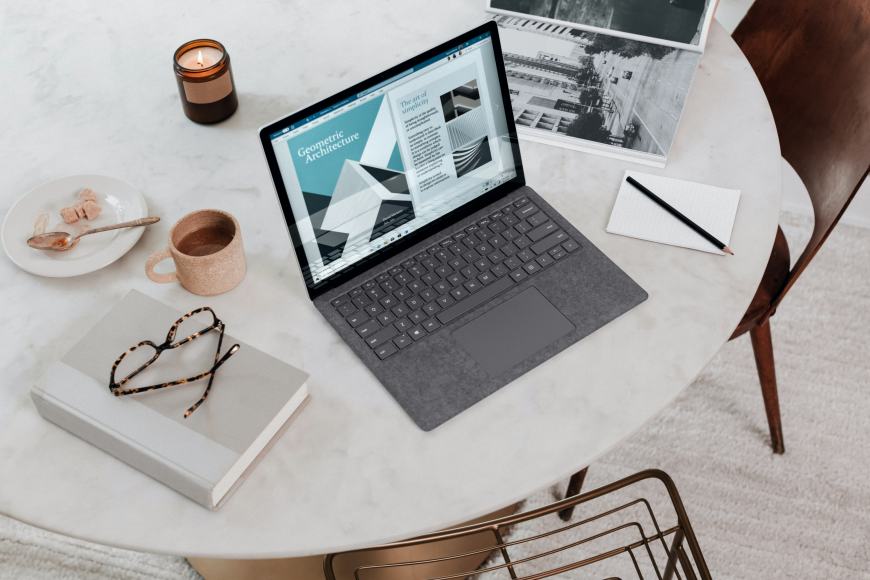
Productivity has emerged as a key driver for the return to remote or hybrid work. Many companies have found that employees can be just as, if not more, productive working from home. The elimination of long commutes and distractions in the office has allowed employees to focus on their tasks and deliver results efficiently. With the advancements in technology enabling seamless communication and collaboration, teams have been able to work together effectively regardless of physical location.
Cost savings have also played a significant role in the decision to adopt remote or hybrid work models. For companies, reducing office space and related expenses can result in substantial savings. By allowing employees to work remotely, businesses can cut down on overhead costs such as rent, utilities, and office supplies. Additionally, employees themselves can save money on commuting, work attire, and dining out, leading to improved financial well-being.
Lifestyle factors have become increasingly important in shaping the way companies approach work arrangements. The flexibility offered by remote or hybrid work allows employees to better balance their professional and personal lives. This flexibility is particularly appealing to working parents, caregivers, and individuals with health concerns. By providing employees with the option to work from home or choose a hybrid schedule, companies are demonstrating their commitment to supporting work-life balance and employee well-being.

Moreover, the shift towards remote and hybrid work has opened up opportunities for companies to tap into a broader talent pool. With geographical barriers removed, organizations can recruit and retain top talent from around the country or even globally. This diversity in the workforce can bring fresh perspectives, ideas, and innovation to the table, driving business growth and success.
While the transition to remote or hybrid work is not without challenges, such as maintaining company culture and ensuring effective communication, the benefits are clear. As US companies and employees continue to navigate the evolving landscape of work arrangements, the focus remains on maximizing productivity, reducing costs, and enhancing quality of life for all stakeholders involved.Analyze why US companies and employees are returning to remote or hybrid work, including productivity, cost savings, and lifestyle factors.
Comprehensive Global Context and Expert Insights
Taking a broader perspective on this matter reveals that it is part of a larger, interconnected series of global events. The nuances involved require a balanced analysis that considers historical context alongside immediate impacts. Observers suggest that as more data becomes available, the long-term significance of this development will become clearer, potentially influencing policy and public perception across various regions. Our editorial team remains dedicated to monitoring these trends closely, ensuring that our readers receive the most accurate and in-depth information as the situation continues to unfold in the coming months.
Article written by: Robert H. Miller
What's Your Reaction?
 Like
0
Like
0
 Dislike
0
Dislike
0
 Love
0
Love
0
 Funny
0
Funny
0
 Angry
0
Angry
0
 Sad
0
Sad
0
 Wow
0
Wow
0