













































:max_bytes(150000):strip_icc():format(webp)/iphone-17-pro-d7ae6571d5b147ab8312e83b4d30a5a9.jpg)














US Heat Records Trigger Nationwide Energy Grid Stress
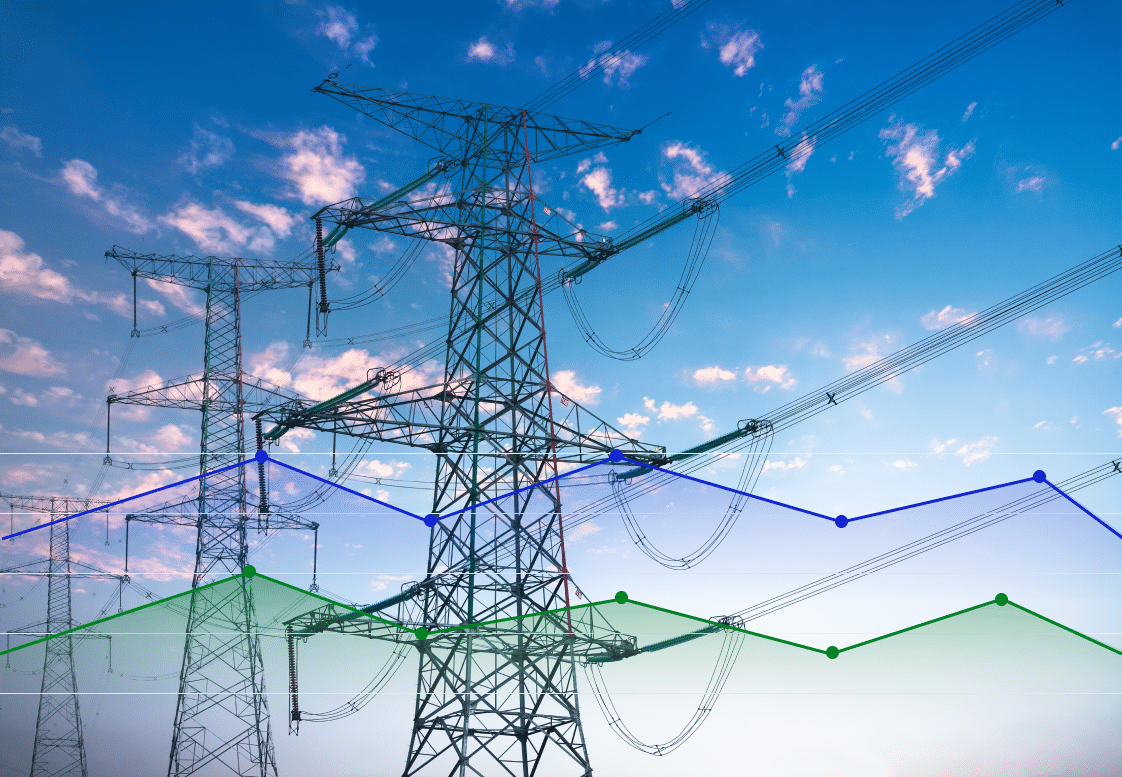
Record-breaking heat across multiple US states is putting unprecedented stress on national energy grids.
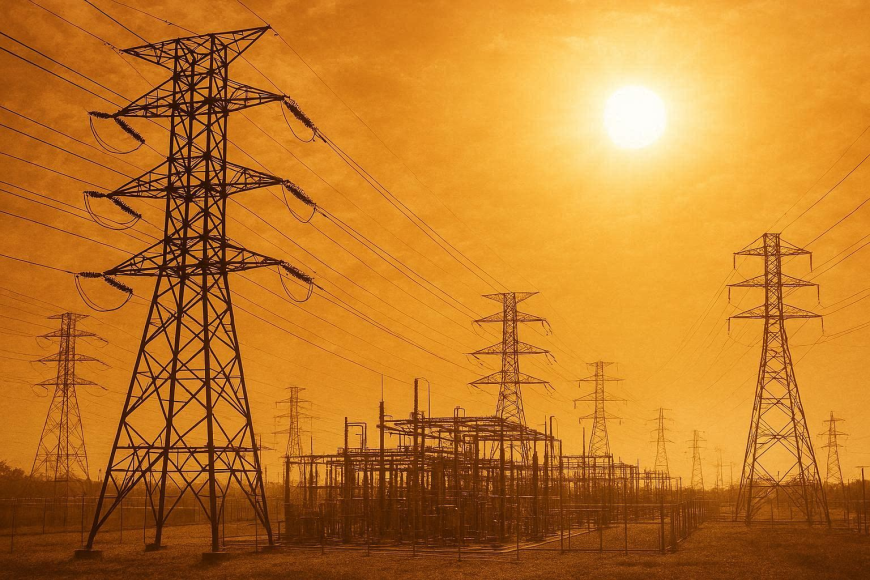
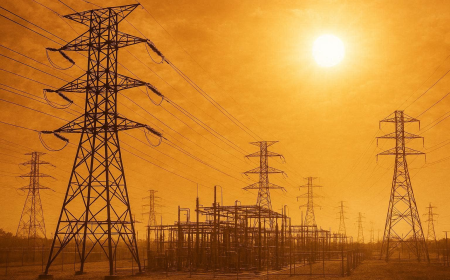
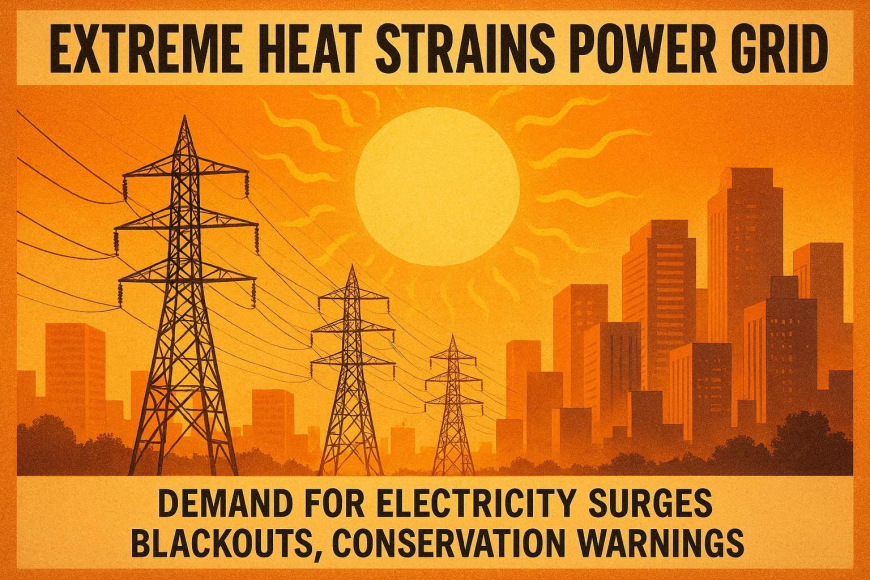
As the United States faces a surge of extreme heat waves, the demand for electricity is skyrocketing, placing significant stress on power grids across the nation. With temperatures soaring to record highs in many regions, utilities are grappling with the increased load, raising concerns over potential blackouts and prompting conservation warnings for consumers.
Rising Temperatures and Electricity Demand
The recent rise in temperature extremes has led to an unprecedented increase in electricity usage, particularly for air conditioning and cooling systems. Many cities are reporting usage rates that exceed previous records, as residents seek relief from the oppressive heat. According to the National Oceanic and Atmospheric Administration (NOAA), the frequency and intensity of heat waves have been steadily rising, a trend that is closely linked to climate change.
Impact on Power Grids
As electricity demand peaks, the pressure on power grids intensifies. Utilities are finding it increasingly challenging to meet the needs of consumers during these extreme weather events. The North American Electric Reliability Corporation (NERC) has warned that some regions may face significant reliability challenges, citing aging infrastructure and insufficient energy reserves as key factors contributing to the risk of blackouts.
Conservation Warnings Issued
In response to the mounting pressure on power systems, several utility companies have issued conservation warnings, urging customers to reduce energy usage during peak hours. These advisories typically recommend setting thermostats higher, avoiding the use of large appliances, and turning off unnecessary lights. Such measures aim to alleviate the strain on the grid and minimize the risk of outages.
Climate Change Links
Experts attribute the increase in extreme heat events to climate change, driven primarily by human activities that release greenhouse gases into the atmosphere. The Intergovernmental Panel on Climate Change (IPCC) has projected that without significant reductions in emissions, the frequency and severity of heat waves will continue to escalate, further straining energy resources and heightening the risk of blackouts.
Government Response and Initiatives
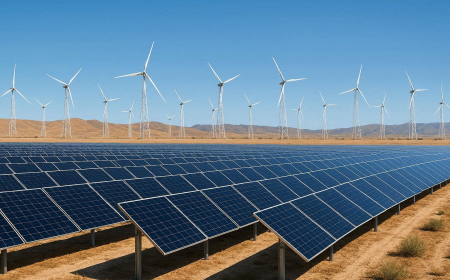
In light of these challenges, federal and state agencies are taking steps to stabilize the energy supply and enhance grid resilience. The Biden administration has prioritized investments in renewable energy sources, such as solar and wind, to diversify the energy mix and reduce reliance on fossil fuels. Additionally, policies promoting energy efficiency and demand response programs are being implemented to help manage peak loads.
Local Efforts and Community Engagement
State-level initiatives are also gaining traction, with many governors launching campaigns to encourage energy conservation during extreme heat events. Community engagement plays a vital role in these efforts, with local organizations working to educate residents about the importance of energy conservation and the potential impacts of climate change on their communities.
Looking Ahead
As the frequency of extreme heat waves is expected to rise, the need for a more resilient energy infrastructure becomes increasingly urgent. Experts advocate for a comprehensive approach that includes upgrading power grid systems, expanding renewable energy sources, and promoting energy efficiency measures. By addressing these challenges proactively, the nation can work towards a more sustainable and reliable energy future in the face of climate change.
In conclusion, the combination of extreme heat waves and rising electricity demand poses significant challenges for the United States. With power grids under pressure and conservation warnings in effect, it is essential for consumers, utilities, and government agencies to work together to ensure a stable energy supply in the face of a changing climate.
Comprehensive Global Context and Expert Insights
Taking a broader perspective on this matter reveals that it is part of a larger, interconnected series of global events. The nuances involved require a balanced analysis that considers historical context alongside immediate impacts. Observers suggest that as more data becomes available, the long-term significance of this development will become clearer, potentially influencing policy and public perception across various regions. Our editorial team remains dedicated to monitoring these trends closely, ensuring that our readers receive the most accurate and in-depth information as the situation continues to unfold in the coming months.
Article written by: David Sterling
What's Your Reaction?
 Like
0
Like
0
 Dislike
0
Dislike
0
 Love
0
Love
0
 Funny
0
Funny
0
 Angry
0
Angry
0
 Sad
0
Sad
0
 Wow
0
Wow
0