













































:max_bytes(150000):strip_icc():format(webp)/iphone-17-pro-d7ae6571d5b147ab8312e83b4d30a5a9.jpg)













Extreme Weather Events Drive Up US Home Insurance Costs
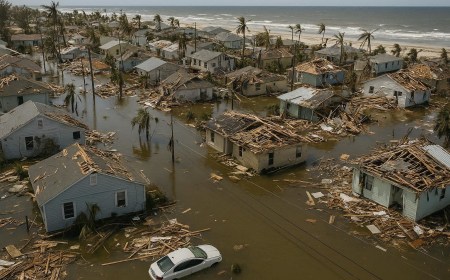
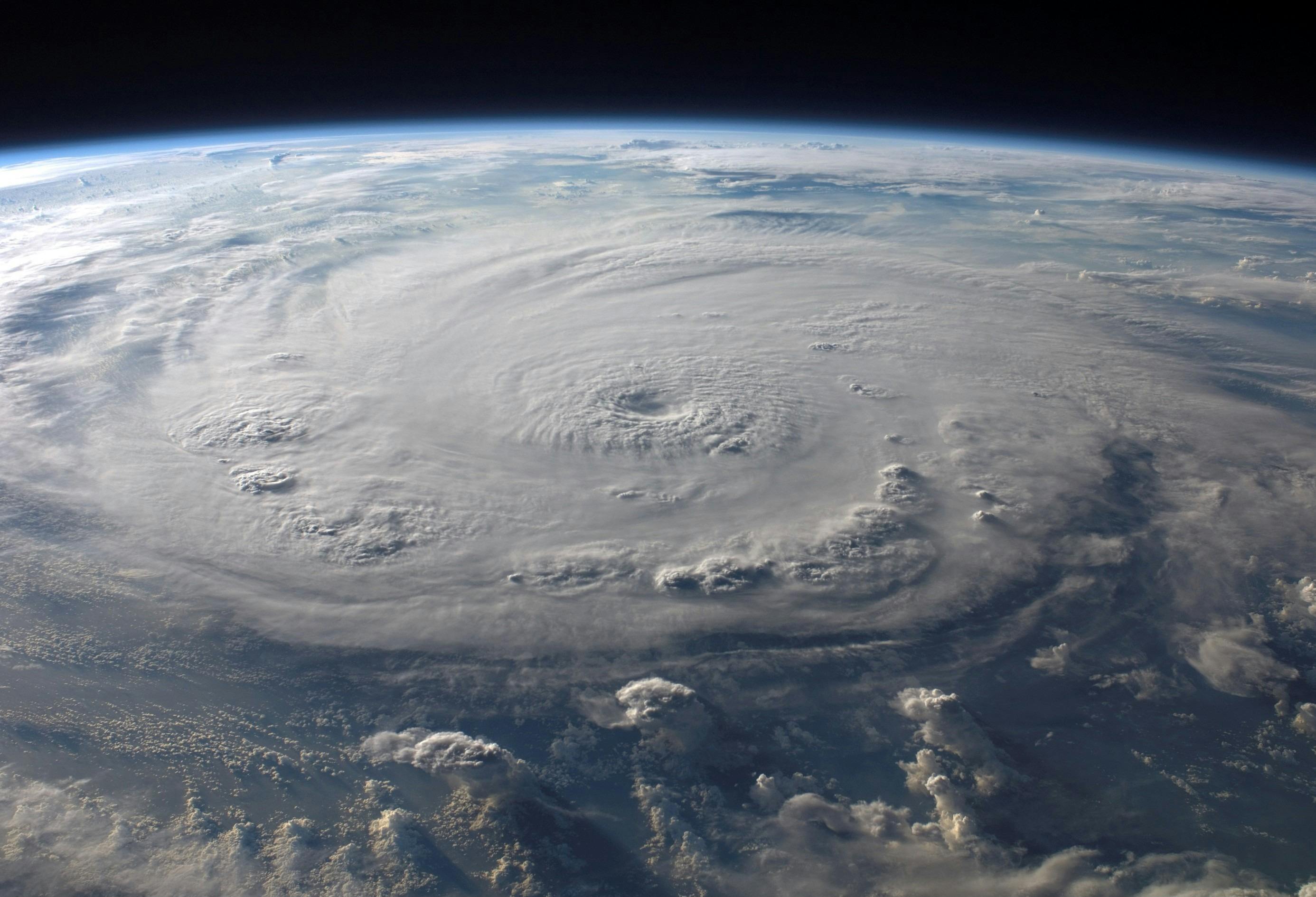
The increasing frequency and intensity of natural disasters such as hurricanes, wildfires, floods, and extreme heat events—largely attributed to climate change—are reshaping the landscape of homeowners' insurance across the United States. As insurers grapple with mounting claims and losses, many are raising premiums or withdrawing entirely from high-risk markets, creating uncertainty for homeowners and impacting housing markets in affected areas.
Rising Premiums and Eroding Coverage
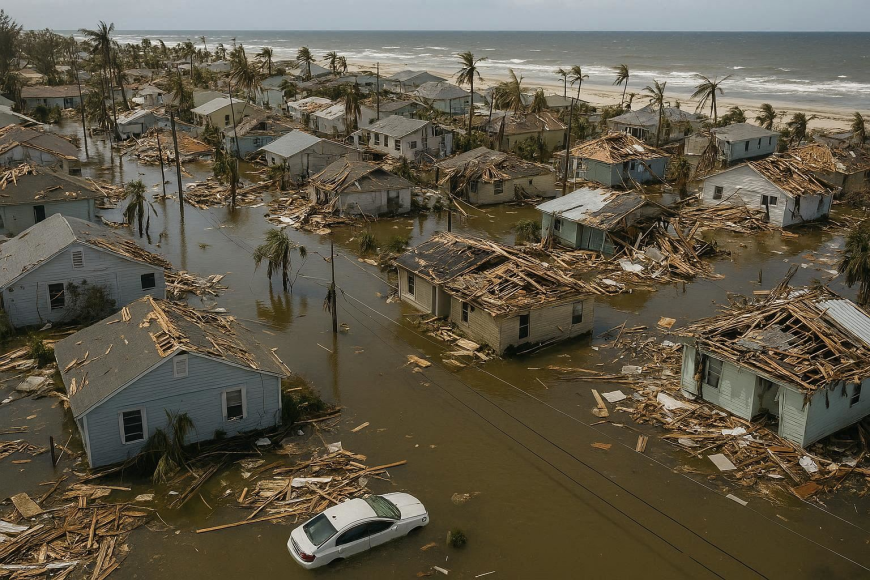
Homeowners in regions prone to natural disasters are feeling the pinch as insurance premiums skyrocket. According to the National Association of Insurance Commissioners, homeowners' insurance rates have surged by an average of 20% over the past few years in states like Florida and California, which face heightened risks from hurricanes and wildfires, respectively. This trend is largely driven by the increasing costs associated with repair and rebuilding efforts after catastrophic events.
Insurers are adjusting their risk models to account for the realities of climate change. As a result, many policies now include stricter coverage limits and higher deductibles for damages resulting from climate-related events. Homeowners are finding it increasingly difficult to secure comprehensive coverage, leading to a growing sense of vulnerability in regions that were once considered safe.
Exiting High-Risk Markets
In response to escalating risks, several insurance companies have opted to either curtail their operations or completely exit high-risk states. For instance, in 2022, a major insurer announced it would cease writing new policies in California due to the state's increasing wildfire risk, leaving thousands of homeowners scrambling for alternatives. These exits not only reduce options for consumers but also contribute to instability in local housing markets.
When insurers pull back, the risk pool shrinks, leading to less competition and potentially higher prices among remaining providers. Homeowners who are unable to find coverage may be forced to rely on state-backed insurance programs, which often come with lower limits and higher premiums. This can create a cycle of escalating costs that further strains the affordability of housing.
Impact on Homeowners and Housing Markets
The repercussions of rising insurance costs and diminished coverage options extend beyond individual homeowners. As insurance becomes more expensive and harder to obtain, potential buyers may be discouraged from purchasing homes in high-risk areas, leading to declining property values. This can have a cascading effect on local economies, affecting everything from tax revenues to job growth.
In regions where buying a home becomes less feasible, renters may face increased demand, driving up rental prices and exacerbating housing shortages. Consequently, communities that are already grappling with economic challenges could find themselves in a precarious position as insurance issues compound existing vulnerabilities.
Looking Ahead
With climate change expected to continue influencing weather patterns and natural disaster frequency, experts predict that the situation will only become more complex. Policymakers and insurance regulators are being urged to rethink frameworks around property insurance, including exploring options for disaster resilience and mitigation funding to help homeowners better prepare for the impacts of climate change.
As the insurance landscape evolves, it will be crucial for homeowners to stay informed about their options and advocate for policies that promote affordable and sustainable insurance solutions. Understanding the interplay between climate change, insurance, and housing markets will be vital for individuals and communities looking to navigate these challenging times.
Comprehensive Global Context and Expert Insights
Taking a broader perspective on this matter reveals that it is part of a larger, interconnected series of global events. The nuances involved require a balanced analysis that considers historical context alongside immediate impacts. Observers suggest that as more data becomes available, the long-term significance of this development will become clearer, potentially influencing policy and public perception across various regions. Our editorial team remains dedicated to monitoring these trends closely, ensuring that our readers receive the most accurate and in-depth information as the situation continues to unfold in the coming months.
Article written by: Sarah Jenkins
What's Your Reaction?
 Like
1
Like
1
 Dislike
0
Dislike
0
 Love
0
Love
0
 Funny
0
Funny
0
 Angry
0
Angry
0
 Sad
0
Sad
0
 Wow
0
Wow
0