
















































:max_bytes(150000):strip_icc():format(webp)/iphone-17-pro-d7ae6571d5b147ab8312e83b4d30a5a9.jpg)















US Housing Market Faces Affordability Pressure Amid Rising Mortgage Rates
Housing affordability worsens

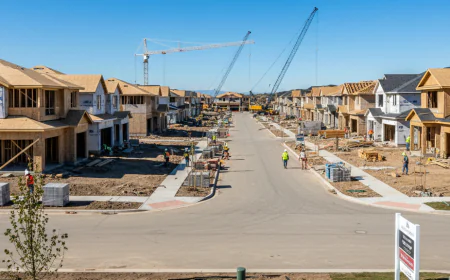
The U.S. housing market is currently experiencing significant affordability pressures, driven by rising mortgage rates and persistent inflation. As home prices continue to climb and borrowing costs increase, many prospective buyers are finding it increasingly difficult to enter the market, prompting concerns about the long-term implications for both the economy and housing stability.
Recent data from the National Association of Realtors (NAR) indicates that the median existing-home price in the United States increased to $416,000 in August 2023, reflecting a 4.3% rise from the same month last year. This upward trajectory comes as mortgage rates have surged, with the average rate on a 30-year fixed mortgage hitting 7.5%, the highest level since 2000. Such steep increases in borrowing costs have translated to higher monthly payments for homebuyers, exacerbating the affordability crisis.
According to the Mortgage Bankers Association (MBA), the combination of elevated home prices and rising mortgage rates has resulted in a significant decline in housing affordability. A typical homebuyer now faces monthly payments that are approximately 60% higher than they were just two years ago. This drastic shift has forced many potential buyers to reconsider their housing options or delay their purchases altogether, leading to a slowdown in home sales.
In August 2023, existing-home sales fell to a seasonally adjusted annual rate of 4.04 million, marking a 15% decrease from the previous year. The inventory of homes for sale remains limited, with many homeowners opting to stay put due to the low mortgage rates they secured in previous years. Consequently, the competition for available properties continues to drive prices upward, creating a vicious cycle that leaves many families priced out of the market.
Experts are warning that the current affordability crisis could have far-reaching implications for the broader economy. "When homeownership becomes out of reach for many families, it can dampen consumer spending and slow economic growth," warns Lawrence Yun, Chief Economist at NAR. "The housing market is a critical driver of the U.S. economy, and if potential buyers are unable to enter the market, we may see a ripple effect across various sectors."
While some analysts predict that the housing market could stabilize as interest rates eventually plateau, others caution that the risks associated with unaffordability will persist. "Even if mortgage rates dip slightly in the coming months, the underlying issue of high home prices will continue to challenge buyers," says Danielle Hale, Chief Economist at Realtor.com. "We may see a shift in demand towards more affordable regions or housing types, but the overall landscape remains challenging."
In response to these challenges, some policymakers have begun to explore potential solutions aimed at improving housing affordability. Proposals include increasing the supply of affordable housing, implementing down payment assistance programs, and reevaluating zoning laws to encourage more diverse housing developments. However, these initiatives often take time to materialize and face opposition from various stakeholder groups.
The Federal Reserve's recent decisions to increase interest rates in an effort to combat inflation have also contributed to the affordability crisis. Experts suggest that until inflation is brought under control, interest rates may remain elevated, further complicating the already challenging landscape for prospective homebuyers.
As the U.S. housing market grapples with these pressures, many buyers are left with difficult decisions. Some are choosing to rent rather than buy, while others are considering alternative financing options or revisiting their long-term housing goals. In the meantime, sellers are faced with the challenge of pricing their homes competitively in a market that is showing signs of fatigue.
In conclusion, the current state of the U.S. housing market reflects a complex interplay of rising mortgage rates, increasing home prices, and affordability challenges that are reshaping the landscape for buyers and sellers alike. As the situation evolves, stakeholders across the housing sector will need to remain vigilant and adaptable to navigate the ongoing uncertainties and strive towards solutions that can foster a more equitable housing market for all.
Strategic Financial Outlook and Market Dynamics
The current economic indicators suggest a period of recalibration for both individual investors and large-scale institutions. Analysts emphasize that navigating this volatility requires a multifaceted approach, blending traditional risk management with an awareness of emerging global trends. The correlation between consumer spending shifts and broader fiscal policies is becoming more pronounced, forcing businesses to adapt their long-term growth strategies. As central banks continue to monitor these fluctuations, transparency and proactive communication will remain key factors in maintaining market confidence and economic stability through the next fiscal year.
Article written by: Claire Beaumont
What's Your Reaction?
 Like
0
Like
0
 Dislike
0
Dislike
0
 Love
0
Love
0
 Funny
0
Funny
0
 Angry
0
Angry
0
 Sad
0
Sad
0
 Wow
0
Wow
0