


















































:max_bytes(150000):strip_icc():format(webp)/iphone-17-pro-d7ae6571d5b147ab8312e83b4d30a5a9.jpg)















Cyber Extortion: Hacker Group 'Shadow' Targets US Hospitals
A hacker group named 'Shadow' has paralyzed three US hospitals with advanced ransomware.

The 'Shadow' Hacker Group: A Menace to US Hospitals and Patient Care
By Marcus Vane, Investigative Journalist
Editor's Note: In a world increasingly reliant on digital infrastructure, the threat posed by cybercriminals is more critical than ever. The 'Shadow' hacker group's recent attacks on US hospitals shine a stark light on the vulnerabilities within our healthcare systems.
Table of Contents
Introduction
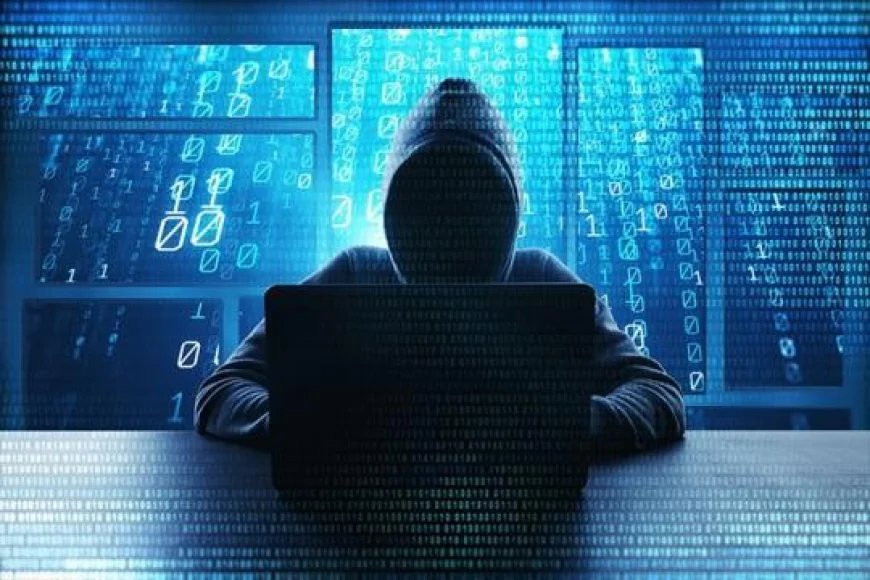
The 'Shadow' hacker group has emerged as a formidable cyber threat, targeting vulnerable sectors across the globe. Recently, their focus has shifted towards US hospitals, exploiting the critical nature of healthcare services to levy ransomware attacks. These attacks not only disrupt operations but critically endanger patient safety and care delivery.
Amidst the chaos, hospitals grapple with the dual challenge of restoring their systems while managing the immediate care needs of their patients. The implications of these attacks extend beyond financial losses, challenging the ethical underpinnings of healthcare administration.
The Attacks
Beginning in early 2023, US hospitals have found themselves at the mercy of the 'Shadow' hacker group. These cybercriminals employ sophisticated methods to infiltrate hospital networks, often through phishing emails or exploiting software vulnerabilities. Once inside, they encrypt critical data, rendering systems inoperable until their ransom demands are met.
With hospital systems paralyzed, administrators face the impossible choice of paying the ransom or risking patient lives. This perilous situation highlights the inadequacy of current cybersecurity measures in protecting sensitive healthcare infrastructure.
Ransom Demands
The 'Shadow' group typically demands payment in cryptocurrency, making it difficult to trace their activities. Ransom amounts vary, but they are often exorbitant, reaching into millions of dollars. Hospitals are forced to weigh the cost of paying the ransom against the potential loss of life and the long-term damage to their reputation.
The anonymity afforded by cryptocurrency transactions emboldens these hackers, allowing them to operate with relative impunity. Despite efforts by law enforcement agencies to track and apprehend these criminals, they continue to elude capture, perpetuating a cycle of fear and disruption.
Impact on Patient Care
The direct impact of these attacks on patient care cannot be overstated. With digital systems offline, hospitals revert to manual processes, significantly slowing down operations. Critical information such as patient records, medication schedules, and treatment plans becomes inaccessible, leading to potential errors and delays in care.
For patients in critical condition, these delays can be life-threatening. Additionally, the psychological toll on healthcare workers managing increased workloads under stressful conditions is profound, potentially leading to burnout and further compromising patient care.
Who Did What
- The 'Shadow' hacker group orchestrated cyberattacks on US hospitals.
- Hospitals, inevitably, face ransomware demands, disrupting their systems.
- Law enforcement agencies are struggling to trace and apprehend the elusive hackers.
- Healthcare professionals continue to provide patient care amidst operational chaos.
FAQ
- What is ransomware?
Ransomware is a type of malicious software designed to block access to a computer system until a sum of money is paid. - How do cybercriminals typically demand payment?
Cybercriminals often demand payment in Bitcoin or other cryptocurrencies due to their anonymity. - What measures can hospitals take to protect themselves?
Hospitals can enhance their cybersecurity by regularly updating software, conducting staff training, and employing advanced threat detection systems. - What are the legal implications of paying a ransom?
Paying a ransom does not guarantee data recovery and may violate certain regulations depending on the jurisdiction. - How are law enforcement agencies responding to these threats?
Agencies are increasing efforts to track down hacker groups, although they face significant challenges due to the anonymity of online operations.
Sources
For further reading, refer to the latest coverage on Reuters.
Comprehensive Global Context and Expert Insights
Taking a broader perspective on this matter reveals that it is part of a larger, interconnected series of global events. The nuances involved require a balanced analysis that considers historical context alongside immediate impacts. Observers suggest that as more data becomes available, the long-term significance of this development will become clearer, potentially influencing policy and public perception across various regions. Our editorial team remains dedicated to monitoring these trends closely, ensuring that our readers receive the most accurate and in-depth information as the situation continues to unfold in the coming months.
Article written by: Linda G. Whitaker
What's Your Reaction?
 Like
0
Like
0
 Dislike
0
Dislike
0
 Love
0
Love
0
 Funny
0
Funny
0
 Angry
0
Angry
0
 Sad
0
Sad
0
 Wow
0
Wow
0