




































:max_bytes(150000):strip_icc():format(webp)/iphone-17-pro-d7ae6571d5b147ab8312e83b4d30a5a9.jpg)












Longest US Government Shutdown Sways Public Trust Before Elections
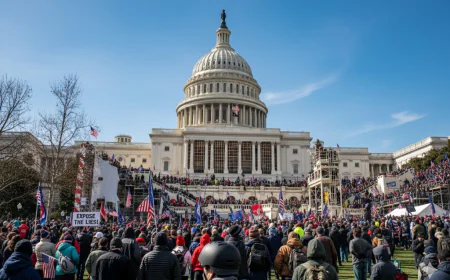
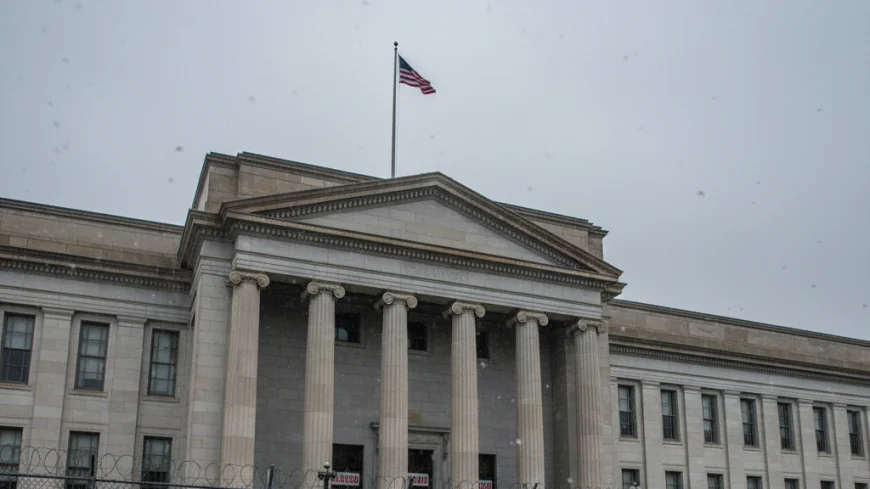
The historic US government shutdown is affecting public trust and voter attitudes ahead of future elections. The recent prolonged government shutdown has raised significant concerns regarding its influence on public perception of both major political parties, voter turnout, and potential outcomes in the upcoming elections. As the shutdown continues to affect millions of Americans, the ramifications are being felt not only in daily life but also in the political landscape as the nation approaches critical electoral events.
Public Perception of Political Parties
Historically, government shutdowns have often been perceived as failures of leadership and governance. In this instance, the Republican and Democratic parties are both facing scrutiny over their inability to reach a consensus on budgetary issues. According to various polls, public trust in both parties has diminished as citizens express frustration with ongoing partisan battles that lead to a lack of essential services.
The shutdown has led to growing dissatisfaction among voters who feel their needs are not being prioritized. Many individuals are particularly critical of elected officials who appear to prioritize political power over effective governance. This sentiment could lead to a shift in allegiance among voters, potentially favoring independent candidates or third-party options as citizens seek alternatives to the traditional two-party system.
Voter Turnout Concerns
With the elections approaching, the prolonged shutdown raises concerns over voter turnout. Historically, voter participation can be influenced by current events, and this situation is no exception. Polling indicates that disillusionment may lead to lower turnout rates, especially among younger voters and those from marginalized communities who often feel the direct effects of government services.
Moreover, the shutdown has created uncertainty regarding essential services such as social security payments, food assistance, and other federal programs. If these issues persist, the resulting anxiety may deter individuals from participating in the electoral process altogether. As a result, election officials and advocacy groups are emphasizing the importance of voter education and engagement initiatives aimed at mitigating these concerns.
Potential Election Outcomes
The implications of the ongoing shutdown extend beyond public sentiment and turnout rates; they could also play a critical role in the outcomes of upcoming elections. As voters express their frustrations, incumbents from both parties may face challenges in retaining their seats. Candidates who effectively communicate their plans for resolving the shutdown and restoring services may gain a competitive edge.
Additionally, the shutdown has highlighted key issues such as government accountability and economic stability, which may become focal points in campaign strategies. Candidates who can address these matters with clear solutions are likely to resonate with the electorate, making it crucial for both parties to recalibrate their messaging in response to the current climate.
Conclusion
The prolonged government shutdown serves as a pivotal moment in the American political arena, influencing public perception, voter turnout, and potential electoral outcomes. As both parties navigate the fallout from this event, the ability to connect with voters and address their concerns will be essential for maintaining support. As the nation moves closer to the elections, the effects of this shutdown will likely shape the political landscape for years to come.
Analysis of Modern Political Polarization
In the context of these recent political developments, many constitutional scholars have pointed out that the rhetoric used is indicative of a deeper, systemic rift in the national discourse. The intersection of executive authority and legislative pushback creates a complex legal landscape that necessitates a careful examination of democratic safeguards. As we move closer to the next election cycle, the strategies employed by both sides suggest an intensification of partisan mobilization, which could redefine traditional campaigning. Furthermore, the global perception of these internal conflicts remains a critical factor for international relations and diplomatic stability.
Article written by: Sarah Jenkins
What's Your Reaction?
 Like
0
Like
0
 Dislike
0
Dislike
0
 Love
0
Love
0
 Funny
0
Funny
0
 Angry
0
Angry
0
 Sad
0
Sad
0
 Wow
0
Wow
0