









































:max_bytes(150000):strip_icc():format(webp)/iphone-17-pro-d7ae6571d5b147ab8312e83b4d30a5a9.jpg)















Long Wave of Lawmaker Retirements Shakes 2026 Election Landscape
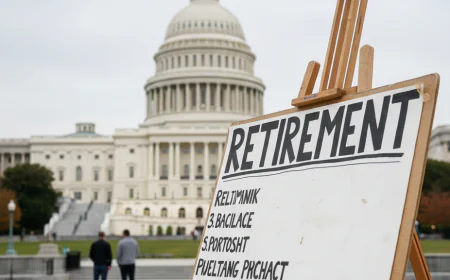
A record number of US lawmakers plan to retire ahead of the 2026 midterm elections, reshaping political dynamics. As the political landscape gears up for the 2026 election cycle, several key figures in Congress have announced their retirements, prompting discussions about the potential impact on party control and the broader implications for voters. With both major parties experiencing shifts in leadership, analysts are closely monitoring how these changes could influence election outcomes.
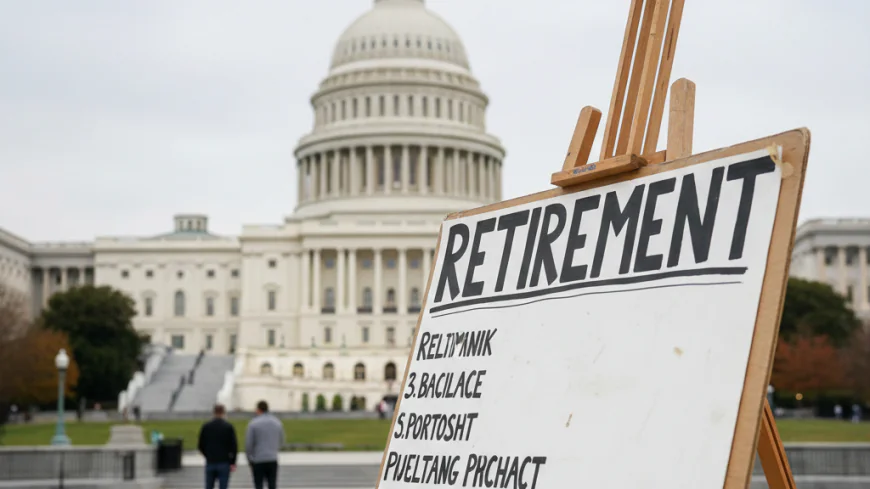
A record number of U.S. lawmakers have announced their plans to retire ahead of the 2026 midterm elections, significantly reshaping the political dynamics in Washington. This unprecedented wave of retirements is prompting discussions among political analysts and party leaders about the potential ramifications for party control and the broader implications for voters.
As of now, over 25 incumbents from both the House of Representatives and the Senate have declared their intentions to step down, a figure that could rise as the election cycle progresses. This trend is particularly notable as it surpasses retirement rates observed in previous election years, indicating a potential shift in the political landscape.
Impact on Party Control
The retirements are expected to create open seats in key battleground districts, which could influence the balance of power in Congress. Analysts suggest that the loss of veteran lawmakers may weaken party cohesion and disrupt established alliances, making it more challenging for parties to maintain their agendas.
Democrats and Republicans alike are bracing for a competitive election cycle as they seek to fill these vacancies. With both parties facing internal challenges and varying degrees of public support, the outcome in these districts could be pivotal for control of the House and Senate.
Voter Implications
The impending retirements also raise questions about voter engagement and turnout. Political experts note that the introduction of new candidates could invigorate the electorate, particularly among younger voters who may feel more aligned with fresh perspectives. Conversely, the loss of experienced lawmakers could lead to a sense of instability and uncertainty among constituents who value continuity in representation.
Moreover, the retirements come at a time when key issues such as healthcare, climate change, and economic inequality remain at the forefront of national discourse. The candidates vying for these open seats will likely need to address these topics directly, appealing to a diverse electorate that is increasingly demanding accountability and action from its leaders.
Looking Ahead
As the 2026 election approaches, both parties are expected to ramp up their recruitment efforts to identify and support candidates who can effectively compete in these newly opened districts. The urgency of these efforts is amplified by the potential for significant shifts in voter sentiment and priorities.
Political analysts will continue to monitor the situation closely, assessing how the retirements influence campaign strategies and voter behavior. With the political landscape in flux, the upcoming midterms present both challenges and opportunities for candidates seeking to make their mark in a rapidly changing environment.
The implications of this wave of retirements will likely resonate beyond the 2026 elections, setting the stage for future political battles and shaping the trajectory of American governance for years to come.
Analysis of Modern Political Polarization
In the context of these recent political developments, many constitutional scholars have pointed out that the rhetoric used is indicative of a deeper, systemic rift in the national discourse. The intersection of executive authority and legislative pushback creates a complex legal landscape that necessitates a careful examination of democratic safeguards. As we move closer to the next election cycle, the strategies employed by both sides suggest an intensification of partisan mobilization, which could redefine traditional campaigning. Furthermore, the global perception of these internal conflicts remains a critical factor for international relations and diplomatic stability.
Article written by: Linda G. Whitaker
What's Your Reaction?
 Like
0
Like
0
 Dislike
0
Dislike
0
 Love
0
Love
0
 Funny
0
Funny
0
 Angry
0
Angry
0
 Sad
0
Sad
0
 Wow
0
Wow
0