
















































:max_bytes(150000):strip_icc():format(webp)/iphone-17-pro-d7ae6571d5b147ab8312e83b4d30a5a9.jpg)















US Oil and Gas Industry Faces Growing Pressure From Climate Regulations
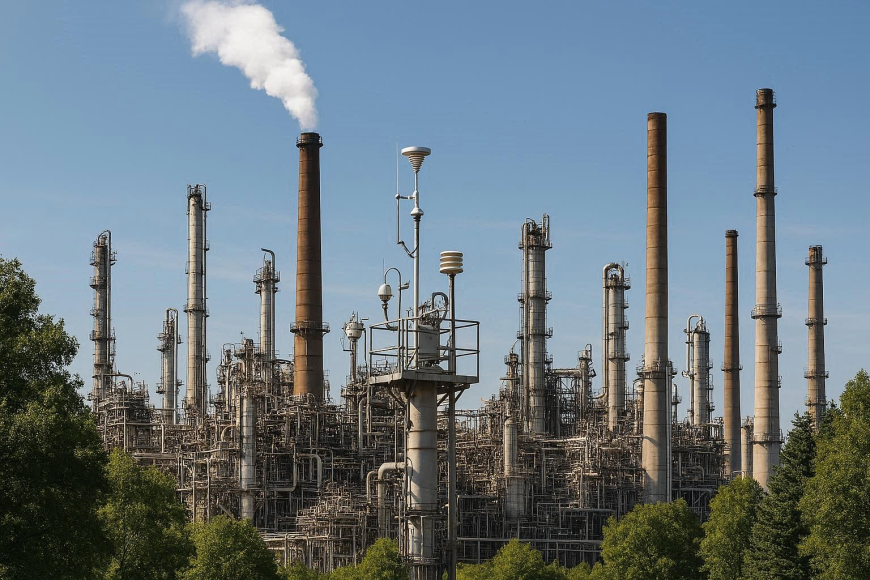
As the urgency to combat climate change intensifies, both federal and state governments in the United States are implementing a series of new regulations aimed at curbing methane emissions, tightening drilling permits, and setting higher environmental standards. These measures come in response to growing concerns about the environmental impact of fossil fuel extraction and the role of methane as a potent greenhouse gas.
New Federal Regulations on Methane Emissions
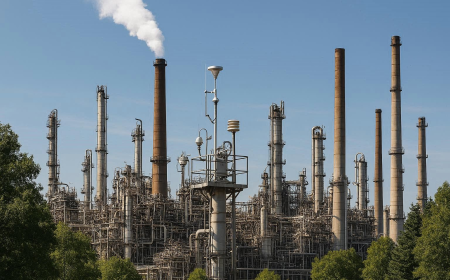
The Biden administration has introduced stricter regulations on methane emissions, which are known to be significantly more harmful to the climate than carbon dioxide in the short term. The Environmental Protection Agency (EPA) is spearheading these efforts by proposing new rules that require oil and gas companies to monitor and reduce methane leaks from their operations. This includes regular inspections and the use of advanced technologies to detect emissions, as well as implementing repair protocols within a specified timeframe.
State-Level Initiatives
In addition to federal action, several states are taking the initiative to enhance their own methane regulations. States like California and New Mexico are leading the charge by enacting laws that not only limit methane emissions but also require comprehensive reporting and accountability from oil and gas operators. These state-level regulations often serve as a model for stricter national standards, reflecting local environmental priorities and public health concerns.
Impact on Drilling Permits
The evolving regulatory landscape is also affecting the issuance of drilling permits. Both federal and state agencies are now considering environmental impact assessments more rigorously before approving new drilling sites. This shift aims to ensure that new operations adhere to higher environmental standards and do not contribute significantly to methane emissions. As a result, oil and gas companies may face delays in obtaining permits, prompting some to reevaluate their exploration strategies.
Industry Response: Adaptation and Investment
In response to these new regulations, oil and gas companies are adapting their business models. Many are investing in cleaner technologies, such as methane capture systems and leak detection equipment, to comply with the new standards. These investments not only help companies mitigate their emissions but can also enhance operational efficiency and reduce costs over time.
Resistance and Challenges
However, not all companies are on board with the new regulations. Some industry stakeholders have voiced concerns over the potential financial burdens that compliance may impose. They argue that stricter regulations could stifle economic growth and lead to job losses in the fossil fuel sector. Lobbying efforts are underway to push back against certain provisions within the regulations, particularly those perceived as overly stringent or financially burdensome.
Conclusion
The new federal and state climate regulations represent a significant shift in how the U.S. approaches methane emissions and fossil fuel extraction. As the oil and gas industry navigates this changing landscape, the balance between environmental responsibility and economic viability remains a critical focus. The ongoing dialogue between regulators and industry will shape the future of energy production in the United States as the country seeks to meet its climate goals while maintaining a robust energy market.
Scientific Advancements and Long-term Implications
The breakthrough discussed in this report represents a pivotal moment in contemporary research, offering new hope for addressing long-standing challenges in the field. Experts maintain that while the initial findings are promising, a sustained commitment to rigorous clinical testing and peer review is essential for ensuring practical applications. This development also underscores the vital importance of continued public and private investment in scientific innovation. As society grapples with an aging population and environmental shifts, the ability to translate laboratory success into accessible healthcare solutions will be a defining factor of the coming decade.
Article written by: David Sterling
What's Your Reaction?
 Like
1
Like
1
 Dislike
0
Dislike
0
 Love
0
Love
0
 Funny
0
Funny
0
 Angry
0
Angry
0
 Sad
0
Sad
0
 Wow
0
Wow
0