














































:max_bytes(150000):strip_icc():format(webp)/iphone-17-pro-d7ae6571d5b147ab8312e83b4d30a5a9.jpg)















California Accelerates Transition to 100 Percent Clean Electricity
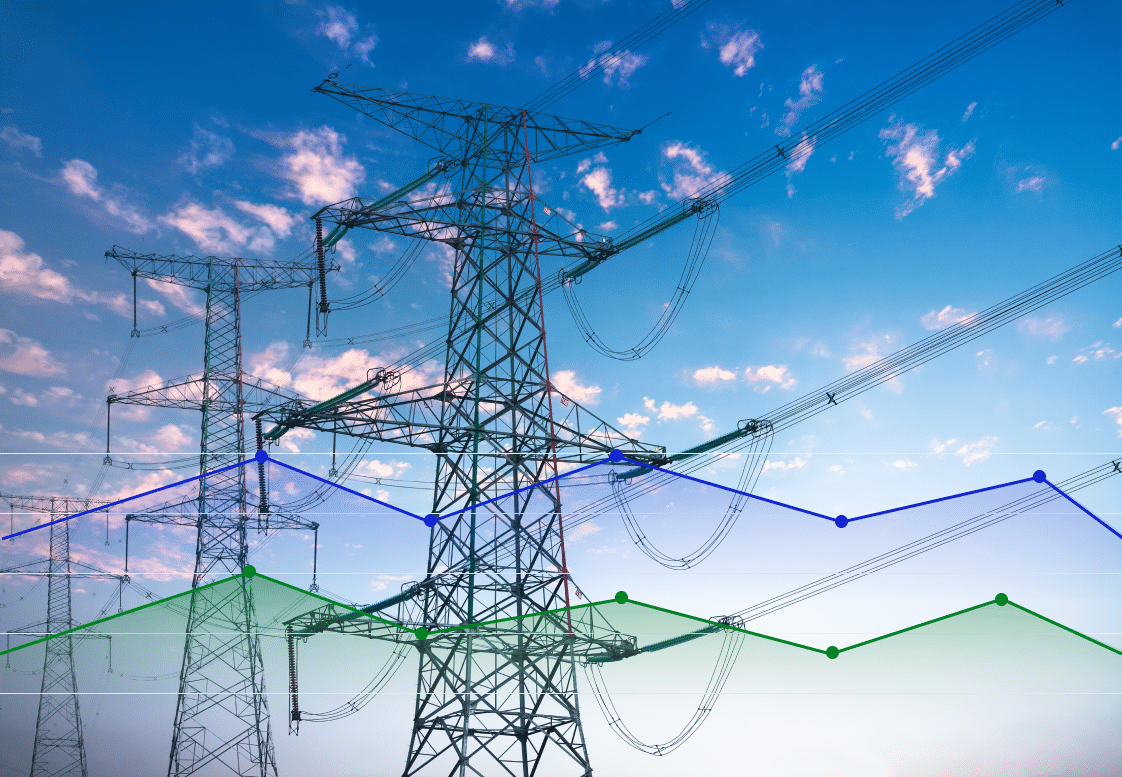
California announces new milestones in its push toward fully clean electricity. California is making significant strides towards its ambitious goal of achieving 100% clean electricity by 2045. Recent policy moves and infrastructure investments emphasize a multifaceted approach, leveraging renewable energy sources such as solar and wind, alongside advancements in battery storage technology. This initiative not only seeks to combat climate change but also aims to stimulate the economy and create numerous job opportunities.
Policy Initiatives and Legislative Framework
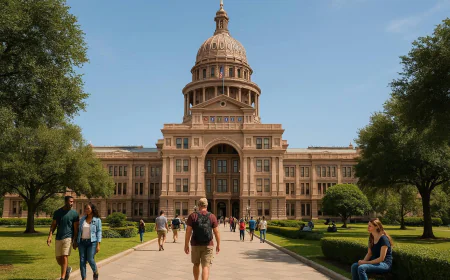
The state has introduced several legislative measures aimed at facilitating the transition to clean energy. The California Clean Energy Act mandates that utilities source 100% of their electricity from renewable resources by 2045. This landmark legislation is supported by financial incentives for solar and wind energy projects, as well as investments in grid modernization to accommodate the increased load from renewable sources.
Governor Gavin Newsom has highlighted the importance of these initiatives, stating that they are essential for reducing greenhouse gas emissions and fostering sustainable economic growth. The state’s commitment is also reflected in its investment strategies, which prioritize funding for clean energy infrastructure projects.
Infrastructure Investments
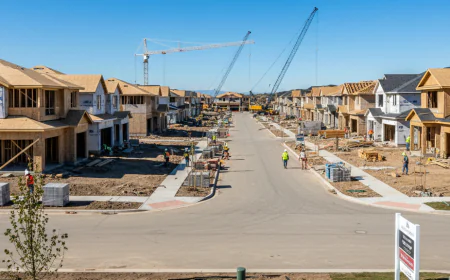
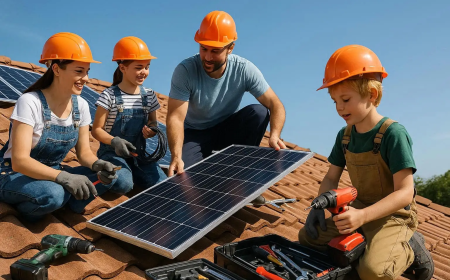
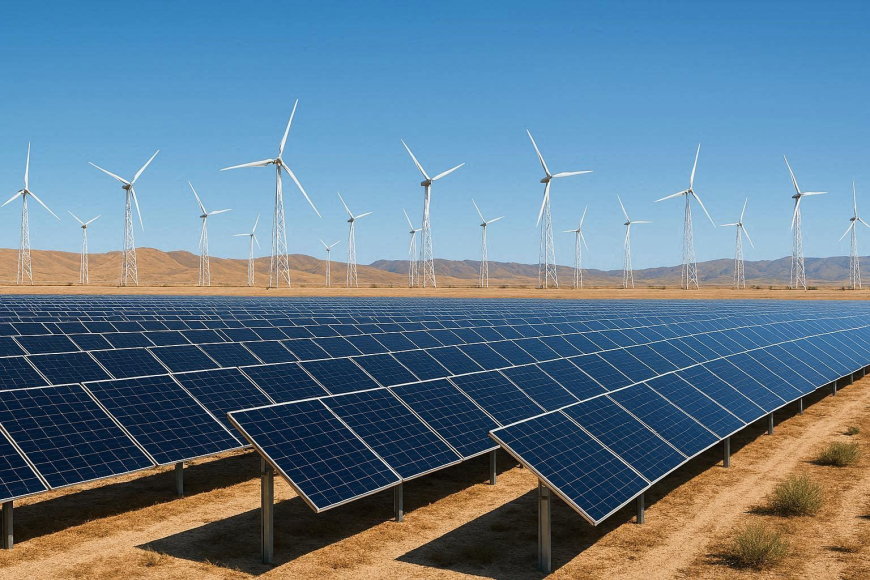
California's infrastructure investments are pivotal in achieving its clean energy goals. The state is expanding its solar and wind farms, with plans to increase the installation of solar panels by 50% over the next decade. Additionally, large-scale wind projects are underway in both onshore and offshore locations, harnessing the state's vast wind resources.
Battery storage technologies are receiving particular attention, as they are crucial for maintaining grid reliability. The state has allocated funds for the development of advanced battery systems that can store excess energy generated during peak production times. This stored energy can then be distributed during periods of high demand, effectively balancing supply and demand on the grid.
Economic Impact and Job Creation
The transition to a clean energy economy is projected to have a substantial economic impact. According to state reports, the clean energy sector is expected to create hundreds of thousands of jobs, ranging from engineering and manufacturing to installation and maintenance. The California Energy Commission estimates that investments in renewable energy could lead to a 20% increase in employment in the state’s energy sector by 2030.
Moreover, the growth of the clean energy industry is anticipated to drive innovation and attract investments. The state is positioning itself as a leader in renewable technology, which could yield long-term economic benefits and enhance competitiveness in the global market.
Challenges and Grid Reliability
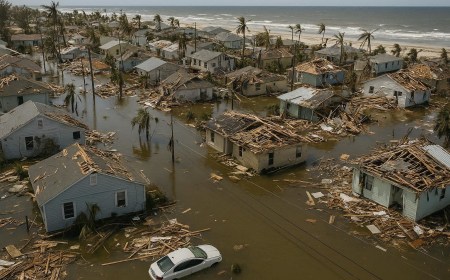
Despite the promising outlook, California faces significant challenges in its quest for 100% clean electricity. One of the primary concerns is grid reliability, particularly as the demand for electricity continues to rise alongside population growth and increasing electrification of transportation. Experts warn that the integration of intermittent energy sources like solar and wind could strain the existing grid infrastructure if not managed properly.
To address these challenges, California is investing in innovative grid management technologies and demand response programs. These initiatives are designed to enhance the resilience of the electricity grid, ensuring that it can handle fluctuations in energy supply and demand. Moreover, the state is exploring partnerships with neighboring states to create a more robust and interconnected grid system.
Conclusion
California's commitment to achieving 100% clean electricity by 2045 is a bold and transformative initiative. Through comprehensive policy measures, significant infrastructure investments, and a focus on job creation, the state aims to lead the nation in the transition to renewable energy. However, addressing the challenges of grid reliability and ensuring a smooth transition will be critical to the success of this ambitious undertaking.
Sociological Impact and Community Resilience
The unique cultural dynamics explored here offer a fascinating glimpse into how urban environments can foster a sense of collective responsibility and empathy. Beyond the immediate visual appeal, these interactions signify a deeper bond between residents and their shared spaces, often serving as a model for sustainable community living. Research suggests that such grassroots initiatives not only preserve local heritage but also contribute to the mental well-being of the population by providing a sense of continuity in a rapidly changing world. Future urban planning efforts are increasingly looking at these organic social structures as blueprints for more humane cities.
Article written by: Claire Beaumont
What's Your Reaction?
 Like
0
Like
0
 Dislike
0
Dislike
0
 Love
0
Love
0
 Funny
0
Funny
0
 Angry
0
Angry
0
 Sad
0
Sad
0
 Wow
0
Wow
0