





















































:max_bytes(150000):strip_icc():format(webp)/iphone-17-pro-d7ae6571d5b147ab8312e83b4d30a5a9.jpg)















The Global Race for 1nm Chips: Asia Leads the Charge
A look at the intense competition between major Asian tech hubs to achieve the next breakthrough in semiconductor manufacturing.
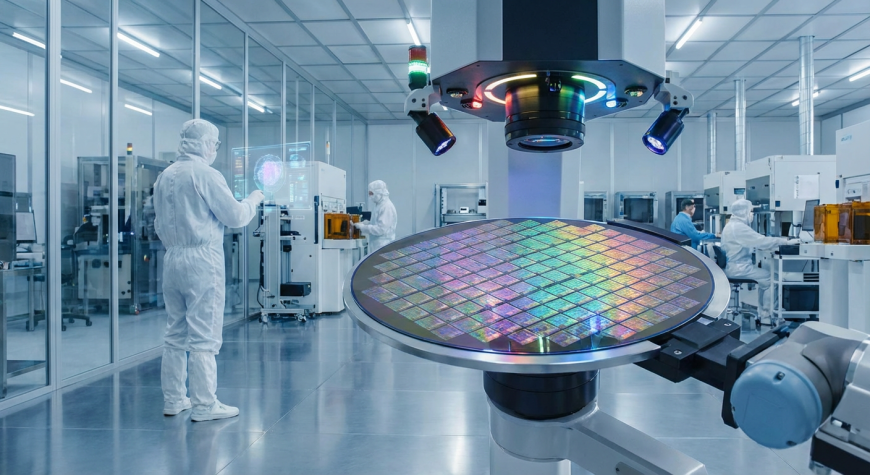
The global semiconductor industry is on the cusp of a transformative shift as major players in Asia, particularly Taiwan and South Korea, invest billions in research and development to produce 1nm chips. This race to innovate is not merely an exercise in technological advancement; it is shaping the very landscape of high-speed computing and raising significant concerns about the stability of the global tech supply chain.
As digital devices and applications become increasingly complex, the demand for smaller, faster, and more efficient chips has surged. The transition from 5nm to 3nm technology has already seen remarkable advancements, but the looming challenge of achieving the 1nm milestone is garnering unprecedented attention. Analysts predict that the nation that successfully masters the 1nm process first will gain a decisive economic and geopolitical advantage that could last for the next decade.
### The Stakes of the 1nm Race
Taiwan Semiconductor Manufacturing Company (TSMC) and South Korea's Samsung Electronics are at the forefront of this high-stakes race. Both companies have announced substantial investments in their respective semiconductor fabs, with TSMC allocating over $100 billion through 2025 to enhance its manufacturing capabilities. Samsung has pledged to invest $205 billion in its semiconductor business over the next three years, underscoring the intensity of the competition.
The 1nm chip technology promises significant improvements in processing power and energy efficiency. These enhancements are critical for various sectors, including artificial intelligence, autonomous vehicles, and advanced telecommunications. The race for 1nm chips is thus not just about technological prowess but also about maintaining leadership in these strategic industries.
### Implications for Global Supply Chains
However, the rush for 1nm chip production has raised pressing concerns regarding the stability of the global tech supply chain. The COVID-19 pandemic exposed vulnerabilities in semiconductor supply chains, leading to widespread shortages that affected industries from automotive to consumer electronics. As nations ramp up investments to secure their positions in the semiconductor arena, the potential for supply chain disruptions looms larger than ever.
Experts warn that increasing nationalistic policies and the drive for self-sufficiency in semiconductor production could lead to fragmentation within the global market. Countries may prioritize domestic production, which could result in reduced collaboration and increased costs. The geopolitical ramifications are also significant, as nations vie for technological supremacy, potentially leading to a new era of tech nationalism.
### A New Era of Geopolitical Dynamics
The semiconductor race is intricately linked to broader geopolitical dynamics. The United States has been vocal about its desire to reclaim semiconductor leadership, particularly in the wake of China's aggressive push in the technology sector. The Biden administration has introduced measures to support domestic chip manufacturing, including the CHIPS Act, which allocates $52 billion for semiconductor research and production.
In this context, Taiwan and South Korea's advancements in 1nm technology could shift the balance of power in the semiconductor industry. Should either nation succeed first, it may not only solidify its role as a crucial tech supplier but also enhance its geopolitical leverage, particularly in relation to China and the United States.
### The Road Ahead
As the race toward 1nm technology unfolds, the global semiconductor industry stands at a crossroads. The investments being made today will undoubtedly shape the industry's future landscape and redefine the parameters of global competition. While the prospect of 1nm chips heralds a new era of computing capabilities, it also compels stakeholders to navigate the complexities of supply chain stability and geopolitical tensions.
In conclusion, the battle for 1nm chips is more than just a technological contest; it represents a critical juncture in the evolution of the global economy. The outcomes of this race will resonate far beyond the semiconductor industry, influencing economic policies, international relations, and the very fabric of technological advancement for years to come. As nations pour resources into this pivotal endeavor, the world watches closely, aware that the implications of success or failure could reverberate through the corridors of power and innovation across the globe.
Comprehensive Global Context and Expert Insights
Taking a broader perspective on this matter reveals that it is part of a larger, interconnected series of global events. The nuances involved require a balanced analysis that considers historical context alongside immediate impacts. Observers suggest that as more data becomes available, the long-term significance of this development will become clearer, potentially influencing policy and public perception across various regions. Our editorial team remains dedicated to monitoring these trends closely, ensuring that our readers receive the most accurate and in-depth information as the situation continues to unfold in the coming months.
Article written by: Elena Rodriguez
What's Your Reaction?
 Like
0
Like
0
 Dislike
0
Dislike
0
 Love
0
Love
0
 Funny
0
Funny
0
 Angry
0
Angry
0
 Sad
0
Sad
0
 Wow
0
Wow
0