







































Diminishing Waters: A Comprehensive Analysis of the Rio Grande Basin's Water Crisis
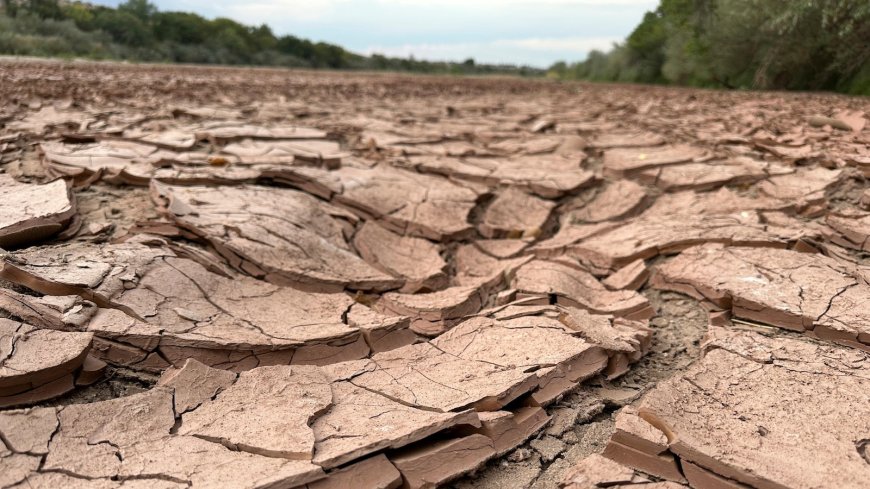
As the Rio Grande and its tributaries continue to dwindle, researchers have completed a meticulous assessment of water uses and losses in the Rio Grande-Bravo basin, shedding light on the escalating water security crisis that threatens communities and ecosystems in both the United States and Mexico. This vital waterway, which serves as a natural border between the two nations, is facing unprecedented challenges as climate change, population growth, and over-extraction converge to exacerbate water shortages.
The Rio Grande, known as the Río Bravo in Mexico, has historically been a lifeline for agriculture, industry, and urban populations. However, a recent study conducted by a coalition of hydrologists, climatologists, and environmental scientists reveals alarming trends that could have far-reaching implications for the region.
### Water Use and Losses
The comprehensive assessment highlighted that the basin's water consumption patterns are unsustainable. According to the report, agricultural practices account for nearly 80% of the water use in the region, with crops such as cotton, alfalfa, and citrus fruits demanding substantial water resources. In the United States, states like Texas rely heavily on irrigation to support their agricultural economy, while in Mexico, farmers face increasing pressure to maintain yields amidst dwindling supplies.
The report also identified significant losses due to evaporation, leakage in aging infrastructure, and groundwater depletion. Experts estimate that nearly 30% of the water diverted for agricultural use is lost before it reaches its intended destination. This inefficiency poses critical challenges, especially as the basin experiences prolonged periods of drought, driven in part by climate change.
### Climate Change Impact
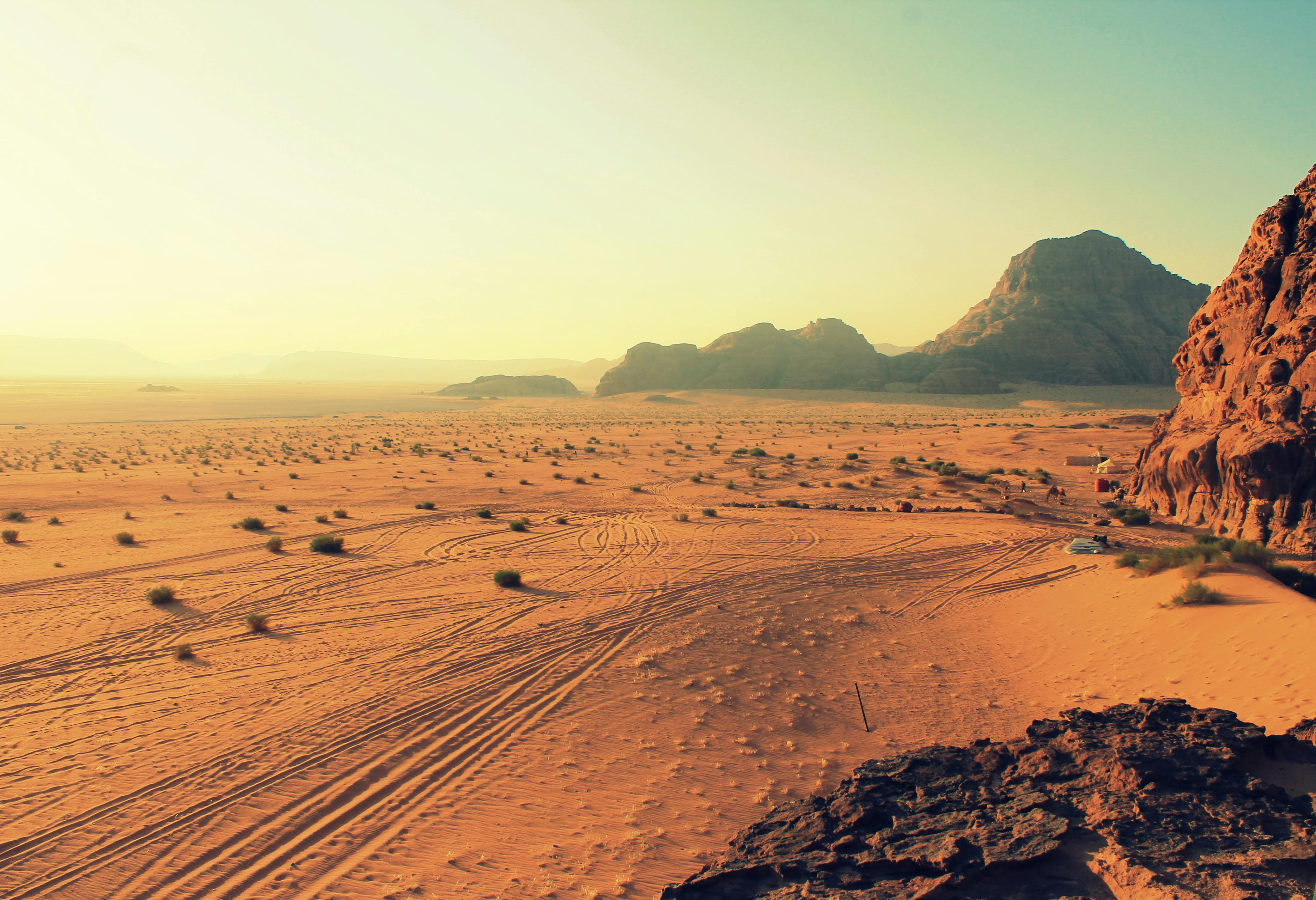
The implications of climate change on the Rio Grande basin cannot be overstated. Researchers project that rising temperatures will lead to increased evaporation rates and altered precipitation patterns, further straining the already limited water resources. Furthermore, the increasing frequency and intensity of droughts are expected to become the new normal, putting additional stress on agricultural productivity and water availability for urban centers.
In recent years, communities along the border have witnessed firsthand the effects of these changes. Reservoirs that once brimmed with water are now a fraction of their capacity, forcing local governments to impose water restrictions and prompting farmers to fallow fields. With both countries facing their own water management challenges, the need for collaborative solutions has never been more urgent.
### Cross-Border Cooperation
The report emphasizes the critical need for cross-border collaboration to address the emerging water crisis. Both the U.S. and Mexico have engaged in various agreements to manage shared water resources, including the 1944 Water Treaty, which governs the allocation of water from the Rio Grande. However, as conditions continue to evolve, experts argue that these agreements must be revisited to reflect current realities and ensure equitable distribution.
"Water knows no borders," said Dr. Maria Gonzalez, a lead researcher on the study. "To effectively manage the Rio Grande's resources, both countries must work together to implement sustainable practices, improve infrastructure, and invest in water conservation technologies."
### Sustainable Solutions
The findings of the study have sparked discussions among policymakers, environmental groups, and agricultural stakeholders about sustainable solutions for the Rio Grande basin. Proposed measures include enhancing irrigation efficiency, exploring alternative crops that require less water, and investing in desalination technologies.
Moreover, the report advocates for the adoption of innovative water management strategies, such as rainwater harvesting and wastewater recycling, which could alleviate some of the pressure on freshwater sources. Increased public awareness campaigns and educational initiatives are also crucial to promote responsible water use among consumers and farmers alike.
### Conclusion
As the Rio Grande basin faces a critical juncture, the recent assessment underscores the urgency of addressing water security challenges on both sides of the border. With the pressure of climate change and unsustainable water use weighing heavily on this vital resource, collaboration and innovation will be key to safeguarding the future of the Rio Grande and the millions of people who depend on it. Without concerted efforts to implement sustainable practices and improve water management, the region risks entering a cycle of scarcity that could have devastating consequences for years to come.
In the words of Dr. Gonzalez, "The time to act is now. Our water future depends on the decisions we make today."
What's Your Reaction?
Like
0
Dislike
0
Love
0
Funny
0
Angry
0
Sad
0
Wow
0