















































:max_bytes(150000):strip_icc():format(webp)/iphone-17-pro-d7ae6571d5b147ab8312e83b4d30a5a9.jpg)











BRICS Expansion: A New Economic Bloc Redefining Global Trade Dynamics
An analysis of the recent expansion of the BRICS group and the long-term implications for the international monetary system and trade routes.
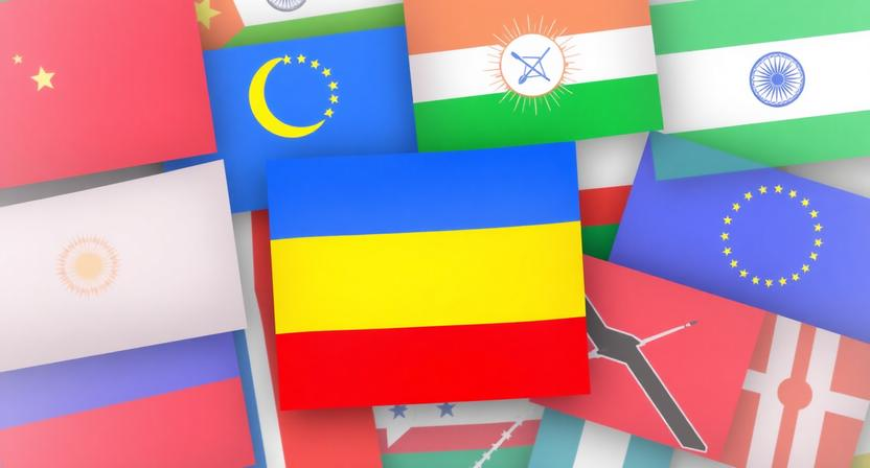
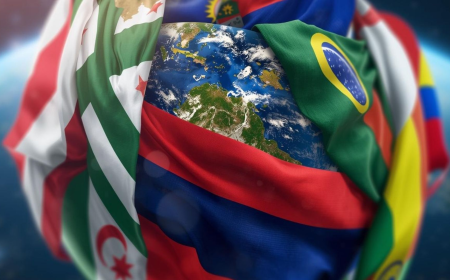
In a landmark move that could redefine global economic dynamics, the BRICS alliance has officially expanded its membership, welcoming six new countries: Argentina, Egypt, Ethiopia, Iran, Saudi Arabia, and the United Arab Emirates. This expansion, effective from January 2024, marks a significant shift in the balance of power in international trade and finance, fueling debates among economists, policymakers, and analysts about the implications for Western economic dominance and the future of the US dollar as the world's primary reserve currency.
The BRICS bloc, initially comprising Brazil, Russia, India, China, and South Africa, was established in 2009 with the aim of promoting economic cooperation and development among its member states. The recent inclusion of new members suggests a concerted effort to bolster the bloc's influence on the global stage and to challenge the traditional Western-centric economic frameworks that have dominated since the end of World War II.
### The Catalyst for Expansion
Several factors have catalyzed this expansion, including a growing dissatisfaction among emerging markets with the existing international financial system, perceived imbalances in global trade, and the desire to create a more multipolar world. Historically, countries in the BRICS alliance have criticized institutions like the International Monetary Fund (IMF) and the World Bank for their governance structures, which they argue favor developed nations.
The new members represent a diverse array of economies and geopolitical interests. For instance, Saudi Arabia and the UAE bring significant oil wealth and influence in energy markets, while countries like Argentina and Ethiopia represent burgeoning markets with vast potential for growth. This diversity enhances BRICS' capacity to influence global economic policies and trade practices.
### A Challenge to Western Economic Dominance?
One of the primary discussions surrounding the BRICS expansion is whether this new bloc poses a genuine challenge to Western economic dominance, particularly that of the United States. Critics of the current international order argue that BRICS is positioning itself as an alternative to Western-led institutions, advocating for a restructured global financial system that prioritizes the interests of developing nations.
Analysts point to the bloc's collective GDP, which is projected to surpass that of the G7 nations by 2030, as evidence of its growing economic clout. Furthermore, the BRICS members are exploring avenues to increase trade among themselves in their local currencies, thereby reducing reliance on the US dollar for cross-border transactions. This move is seen as a strategic effort to insulate their economies from the fluctuations of the dollar and to mitigate the risks associated with US monetary policy.
### The Shift Away from the US Dollar
The push for de-dollarization has been a significant theme in discussions among BRICS nations. Many member states, particularly those with strained relations with the US, are looking for alternatives to the dollar in international trade. This shift could potentially disrupt existing trade networks and challenge the dollar's status as the world's reserve currency.
The recent rise in bilateral trade agreements that favor local currencies is indicative of this trend. Countries like China and Russia have already made strides in conducting trade in their respective currencies, and with the inclusion of new BRICS members, there is a strong likelihood that this trend will accelerate. For instance, the UAE has expressed interest in trading oil in currencies other than the dollar, a move that could have far-reaching implications for global energy markets.
### Global Reactions and Future Prospects
The expansion of BRICS has elicited mixed reactions from global leaders and economists. While some view it as a necessary diversification of global economic power, others express concern over the potential for increased geopolitical tensions. The United States has responded cautiously, recognizing the need to engage with emerging markets while also maintaining a strong presence in global trade.
Experts warn that the success of the BRICS bloc will largely depend on its ability to maintain unity among its diverse members and to effectively address the economic challenges they face. Coordination on issues such as trade policy, investment, and economic development will be crucial for the bloc's long-term success.
Moreover, as BRICS continues to expand, there are discussions about the potential inclusion of additional countries, which could further alter the landscape of global trade. Nations like Indonesia, Nigeria, and Mexico have shown interest in joining the bloc, signaling a growing desire among developing nations to collaborate and assert their interests on the global stage.
### Conclusion
The recent expansion of the BRICS alliance signals a pivotal moment in the evolution of global economic structures. By challenging the traditional dominance of Western powers and seeking to reduce dependence on the US dollar, BRICS is not merely reshaping economic alliances; it is potentially laying the groundwork for a new era of international trade and finance.
The implications of this expansion will be felt across industries, markets, and economies worldwide. As the bloc works to solidify its influence, the focus will remain on how it navigates the complex interplay of global power dynamics, economic development, and the pursuit of a more equitable financial system. The coming years will undoubtedly reveal the true impact of BRICS on global trade and the international order.
Comprehensive Global Context and Expert Insights
Taking a broader perspective on this matter reveals that it is part of a larger, interconnected series of global events. The nuances involved require a balanced analysis that considers historical context alongside immediate impacts. Observers suggest that as more data becomes available, the long-term significance of this development will become clearer, potentially influencing policy and public perception across various regions. Our editorial team remains dedicated to monitoring these trends closely, ensuring that our readers receive the most accurate and in-depth information as the situation continues to unfold in the coming months.
Article written by: Julian Thorne
What's Your Reaction?
 Like
0
Like
0
 Dislike
0
Dislike
0
 Love
0
Love
0
 Funny
0
Funny
0
 Angry
0
Angry
0
 Sad
0
Sad
0
 Wow
0
Wow
0