























































:max_bytes(150000):strip_icc():format(webp)/iphone-17-pro-d7ae6571d5b147ab8312e83b4d30a5a9.jpg)















Inflation Expectations Rise: How Will Consumer Spending Be Affected?
Washington, D.C. — As inflation expectations continue to climb, economists warn that American consumers may soon feel the impact across a broad range of goods and services. Recent market analyses indicate growing concern that price pressures could intensify in the coming months, driven by higher production costs, global supply disruptions, and sustained consumer demand.
Analysts say elevated inflation expectations often influence household behavior, prompting consumers to adjust spending habits, delay major purchases, or seek cheaper alternatives. Early indicators already show signs of shifting trends, including a slowdown in discretionary spending and increased focus on essential goods.
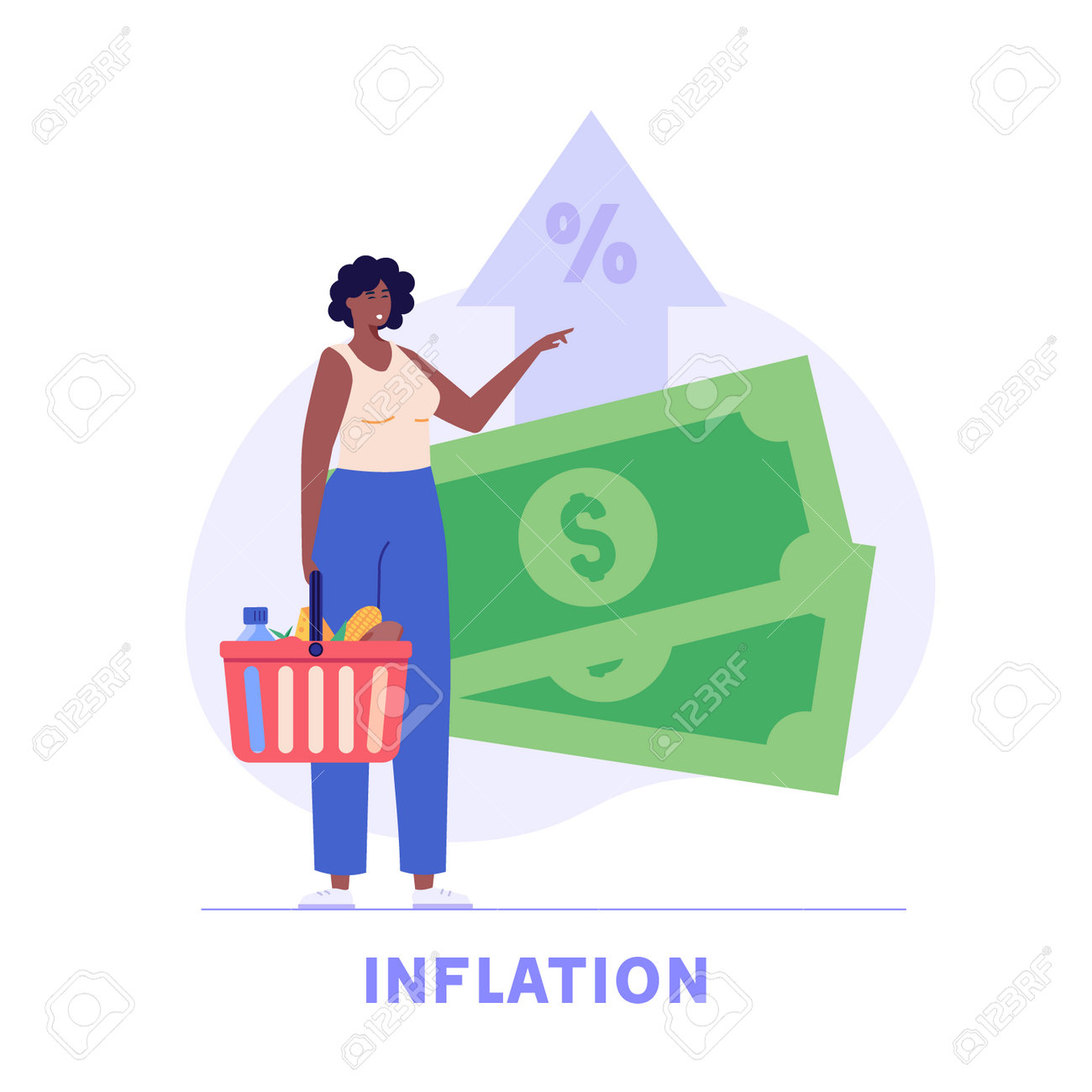
Retailers are closely monitoring the situation as they prepare for potential changes in consumer behavior. Some companies have begun adjusting inventory strategies and pricing models in anticipation of a more cautious marketplace.
“The expectation of rising inflation can be just as impactful as the actual increase,” said one senior financial analyst. “When consumers believe prices will continue climbing, they naturally become more conservative with their spending.”
Federal officials have acknowledged the challenges and emphasized the importance of policy tools aimed at maintaining economic stability. While inflation remains below historic peaks, concerns about long-term price growth are prompting renewed discussions about interest rates, supply-chain resilience, and fiscal strategy.
Economists note that the coming months will be critical in determining how deeply rising inflation expectations will influence consumer behavior — and how resilient the broader economy will remain amid ongoing uncertainty.
Strategic Financial Outlook and Market Dynamics
The current economic indicators suggest a period of recalibration for both individual investors and large-scale institutions. Analysts emphasize that navigating this volatility requires a multifaceted approach, blending traditional risk management with an awareness of emerging global trends. The correlation between consumer spending shifts and broader fiscal policies is becoming more pronounced, forcing businesses to adapt their long-term growth strategies. As central banks continue to monitor these fluctuations, transparency and proactive communication will remain key factors in maintaining market confidence and economic stability through the next fiscal year.
Article written by: Julian Thorne
What's Your Reaction?
 Like
0
Like
0
 Dislike
0
Dislike
0
 Love
0
Love
0
 Funny
0
Funny
0
 Angry
0
Angry
0
 Sad
0
Sad
0
 Wow
0
Wow
0