
















































:max_bytes(150000):strip_icc():format(webp)/iphone-17-pro-d7ae6571d5b147ab8312e83b4d30a5a9.jpg)















Resignation of BBC Executives Sparks Debate Over Editorial Independence and Accountability
In a significant shake-up within the British Broadcasting Corporation (BBC), several top executives have tendered their resignations amidst escalating editorial complaints and public backlash over controversial coverage decisions. The departures, which include the Director-General and several senior editorial leaders, have ignited a broader conversation about the integrity of public broadcasting and the pressures that come with it.
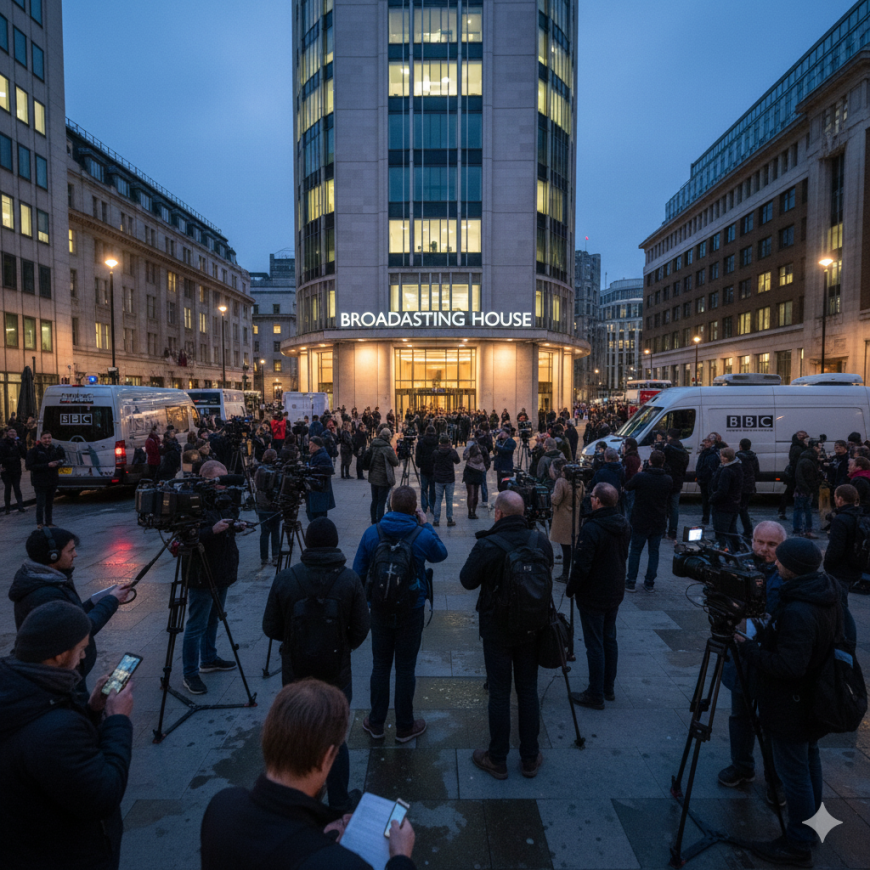
The resignations come on the heels of mounting criticism regarding the BBC’s handling of sensitive issues, particularly relating to political coverage and social justice matters. Over the past few months, the corporation faced accusations of bias and inaccuracy, leading to a wave of complaints from both viewers and industry watchdogs. The situation reached a tipping point following a series of high-profile reports that were perceived as failing to uphold the BBC’s commitment to impartiality and balanced journalism.
Tim Davie, the BBC’s Director-General since 2020, announced his resignation in a press conference on Wednesday morning, citing the need for “a fresh start” for the organization amid growing challenges. “I believe that leadership requires taking responsibility,” Davie stated, acknowledging the recent public discontent and the implications it has for the BBC’s reputation. “The trust of our audience is paramount, and I recognize that changes must be made.”
The resignations have not only raised eyebrows regarding the internal governance of the BBC but have also prompted discussions about the influence of political pressures on public broadcasting. Critics argue that the recent editorial decisions reflect an increasing trend of editorial compromise in response to external pressures, particularly from political entities and social movements.
Among the executives who stepped down alongside Davie are the Director of News and Current Affairs and the Head of Editorial Standards, both of whom have been at the forefront of the controversial coverage decisions. In their joint statement, they expressed regret over the decisions that led to dissatisfaction among viewers. “We take full responsibility for our editorial choices and recognize that they did not meet the high standards expected of the BBC,” they said. “We hope that our resignations will pave the way for new leadership to restore public confidence.”
The BBC has long been regarded as a pillar of public service broadcasting, with its charter mandating impartiality and accuracy. The fallout from this incident has reignited conversations about the importance of maintaining these standards. Media analysts suggest that these resignations could lead to a period of introspection within the organization, as it grapples with its role in an increasingly polarized media landscape.
Supporters of the departing executives have argued that the scrutiny they faced was disproportionate and reflective of a broader trend of intolerance towards dissenting voices in media. “The pressure on journalists and media organizations to conform to public sentiment can stifle honest reporting,” commented Dr. Sarah Wilkins, a media ethics expert at the University of London. “While accountability is essential, we must be cautious not to sacrifice editorial independence in the name of appeasing the public.”
In light of these resignations, the BBC’s Board of Governors is set to undertake a comprehensive review of its editorial processes and governance structures. The organization’s future direction will be closely watched as it seeks to reaffirm its commitment to impartial journalism while navigating the complexities of modern media consumption.
As the dust settles, questions loom over the BBC’s leadership transition and the steps it will take to address the concerns raised by both audiences and critics. The challenge ahead will be ensuring that the BBC remains a trusted source of information while adapting to the evolving media landscape and the diverse perspectives of its audience.
In conclusion, the resignation of these top executives marks a pivotal moment for the BBC, one that could redefine its operational ethos and editorial integrity in the face of growing public scrutiny. As the organization moves forward, the implications of these changes will resonate across the broadcasting sector and raise important questions about the future of public service media in a rapidly changing world.
Comprehensive Global Context and Expert Insights
Taking a broader perspective on this matter reveals that it is part of a larger, interconnected series of global events. The nuances involved require a balanced analysis that considers historical context alongside immediate impacts. Observers suggest that as more data becomes available, the long-term significance of this development will become clearer, potentially influencing policy and public perception across various regions. Our editorial team remains dedicated to monitoring these trends closely, ensuring that our readers receive the most accurate and in-depth information as the situation continues to unfold in the coming months.
Article written by: Linda G. Whitaker
What's Your Reaction?
 Like
0
Like
0
 Dislike
0
Dislike
0
 Love
0
Love
0
 Funny
0
Funny
0
 Angry
0
Angry
0
 Sad
0
Sad
0
 Wow
0
Wow
0