


































:max_bytes(150000):strip_icc():format(webp)/iphone-17-pro-d7ae6571d5b147ab8312e83b4d30a5a9.jpg)










The 2026 US Federal Budget Crisis: A Deep Analysis of Economic Stability
An exhaustive look into the current US fiscal challenges, rising national debt, and the strategic responses from the Federal Reserve to maintain global economic leadership.
Introduction
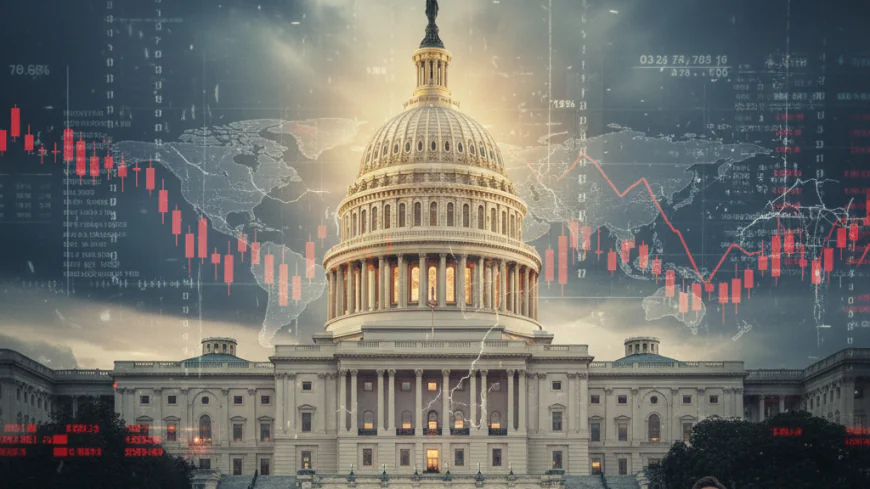
The economic landscape in the United States is currently navigating through a period of rising interest rates, a strategic decision led by the Federal Reserve. This move is significant in the context of controlling inflation and stabilizing the economy following the disruptions caused by the COVID-19 pandemic. As these changes trickle down through the economy, understanding the full spectrum of their impact is crucial for consumers, businesses, and policymakers alike.
Federal Reserve Policy
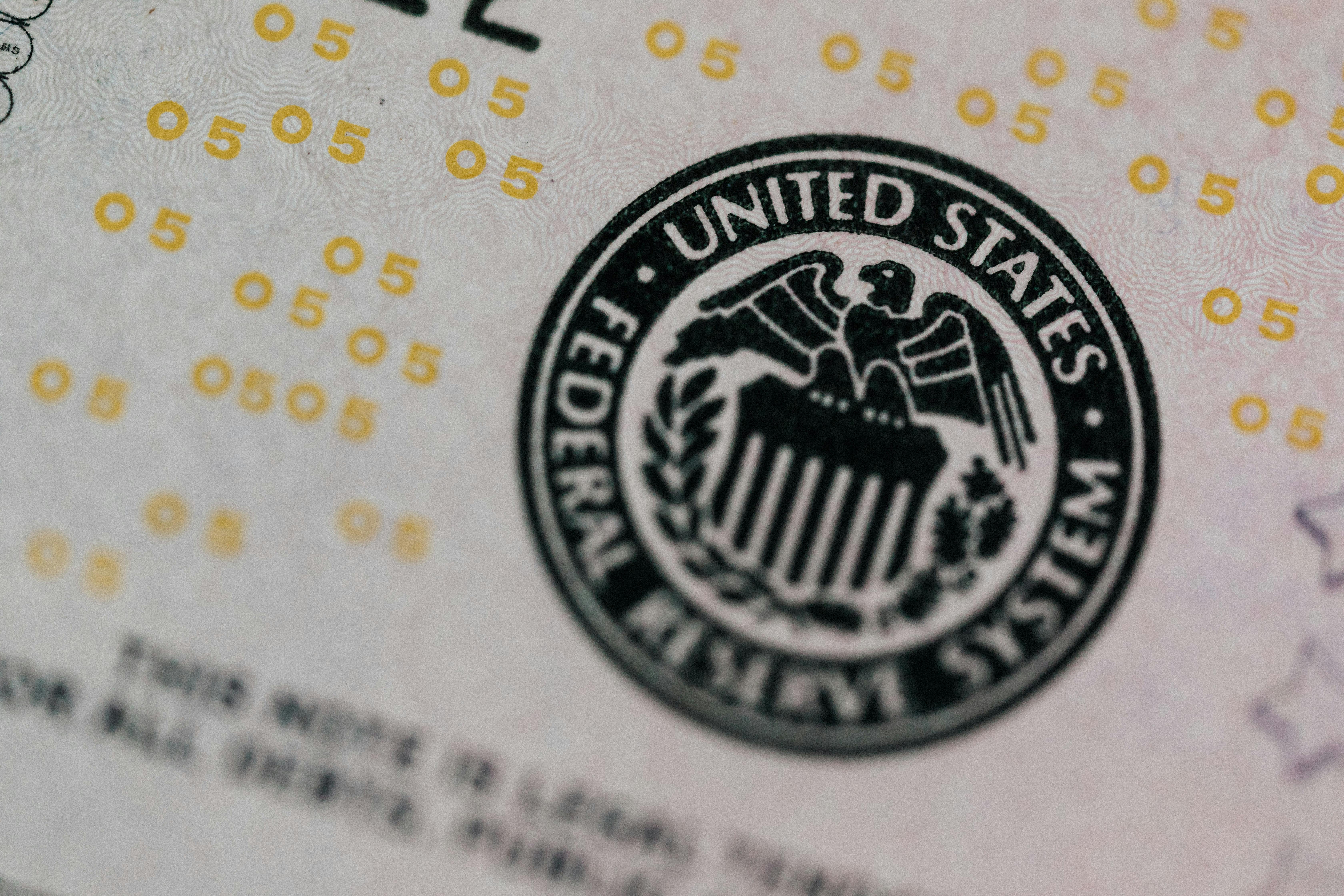
The Federal Reserve, under the leadership of Jerome Powell, has been at the forefront of implementing monetary policies aimed at curbing inflation. The central bank has incrementally raised interest rates, a decision driven by the need to prevent the economy from overheating and to address rising consumer prices. According to the Federal Reserve's latest announcement, the target range for the federal funds rate has been increased to 5.25-5.50%, a decision reflective of ongoing economic evaluations and inflationary trends.
Impact on Consumers
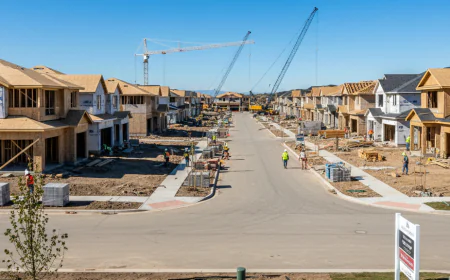
The rise in interest rates has a direct and immediate impact on American consumers. Higher rates typically lead to increased borrowing costs, affecting everything from mortgage rates to credit card interest. For instance, the average 30-year fixed mortgage rate has climbed above 7%, as reported by Associated Press. This surge makes homebuying more expensive and may deter potential buyers from entering the housing market. Additionally, consumers carrying variable-rate debt, such as credit card balances, may see their interest payments rise, putting further strain on household budgets.
Business Sector Reactions
The business sector's response to rising interest rates has been varied, with significant implications for growth and investment. Higher borrowing costs can discourage companies from taking out loans for expansion or new projects. According to the New York Times, many small to medium-sized enterprises are reassessing their financial strategies, focusing on cost-cutting measures and efficiency improvements instead of expansion. Larger corporations, with more robust financial reserves, may be better positioned to weather the higher costs, although they too are likely to exercise caution in their investment decisions.
Global Implications
The Federal Reserve's actions have reverberated beyond U.S. borders, influencing global financial markets and economies. As the U.S. dollar strengthens in response to higher interest rates, countries with dollar-denominated debt face increased repayment costs. This dynamic has placed pressure on emerging markets, where governments may struggle with both debt servicing and currency devaluation. Furthermore, according to the Reuters, the ripple effects of U.S. monetary policy can influence global trade balances, potentially exacerbating trade tensions and economic disparities.
Conclusion
The decision to raise interest rates is a powerful tool in the Federal Reserve's arsenal, aimed at curbing inflation and maintaining economic stability. However, its effects are wide-ranging, impacting consumers, businesses, and the global economy. As these changes unfold, stakeholders across the spectrum must remain vigilant and adaptable, crafting strategies to navigate the challenges and opportunities presented by a higher interest rate environment. The ultimate success of this policy will depend on the Federal Reserve's ability to balance economic growth with inflationary control, a task that demands both precision and foresight.
FAQ
FAQ
- What is the primary reason for the Federal Reserve raising interest rates?
The Federal Reserve raises interest rates primarily to control inflation and prevent the economy from overheating. By making borrowing more expensive, the Fed hopes to reduce spending and slow down price increases.
- How do rising interest rates affect mortgage rates?
Rising interest rates typically lead to higher mortgage rates, making home loans more expensive. This can deter potential homebuyers and slow down the housing market.
- What are the potential global impacts of U.S. interest rate hikes?
U.S. interest rate hikes can strengthen the dollar, making it more expensive for countries with dollar-denominated debt to repay their obligations. This can lead to financial strain in emerging markets and affect global trade dynamics.
- How might businesses adapt to higher interest rates?
Businesses may respond to higher interest rates by delaying expansion plans, focusing on cost-cutting measures, and improving operational efficiency to mitigate higher borrowing costs.
- Will consumers' credit card rates be affected by rising interest rates?
Yes, consumers with variable-rate credit cards may see their interest rates increase, leading to higher monthly payments and increased financial strain.
Comprehensive Global Context and Expert Insights
Taking a broader perspective on this matter reveals that it is part of a larger, interconnected series of global events. The nuances involved require a balanced analysis that considers historical context alongside immediate impacts. Observers suggest that as more data becomes available, the long-term significance of this development will become clearer, potentially influencing policy and public perception across various regions. Our editorial team remains dedicated to monitoring these trends closely, ensuring that our readers receive the most accurate and in-depth information as the situation continues to unfold in the coming months.
Article written by: Elena Rodriguez
What's Your Reaction?
 Like
0
Like
0
 Dislike
0
Dislike
0
 Love
0
Love
0
 Funny
0
Funny
0
 Angry
0
Angry
0
 Sad
0
Sad
0
 Wow
0
Wow
0