












































:max_bytes(150000):strip_icc():format(webp)/iphone-17-pro-d7ae6571d5b147ab8312e83b4d30a5a9.jpg)















US Financial Markets Plunge: Investors React to Sudden Shockwaves
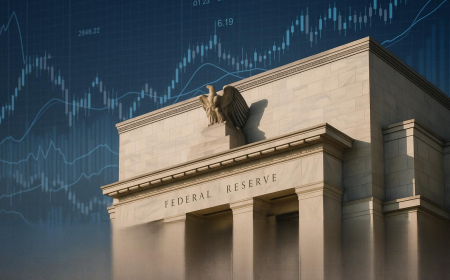
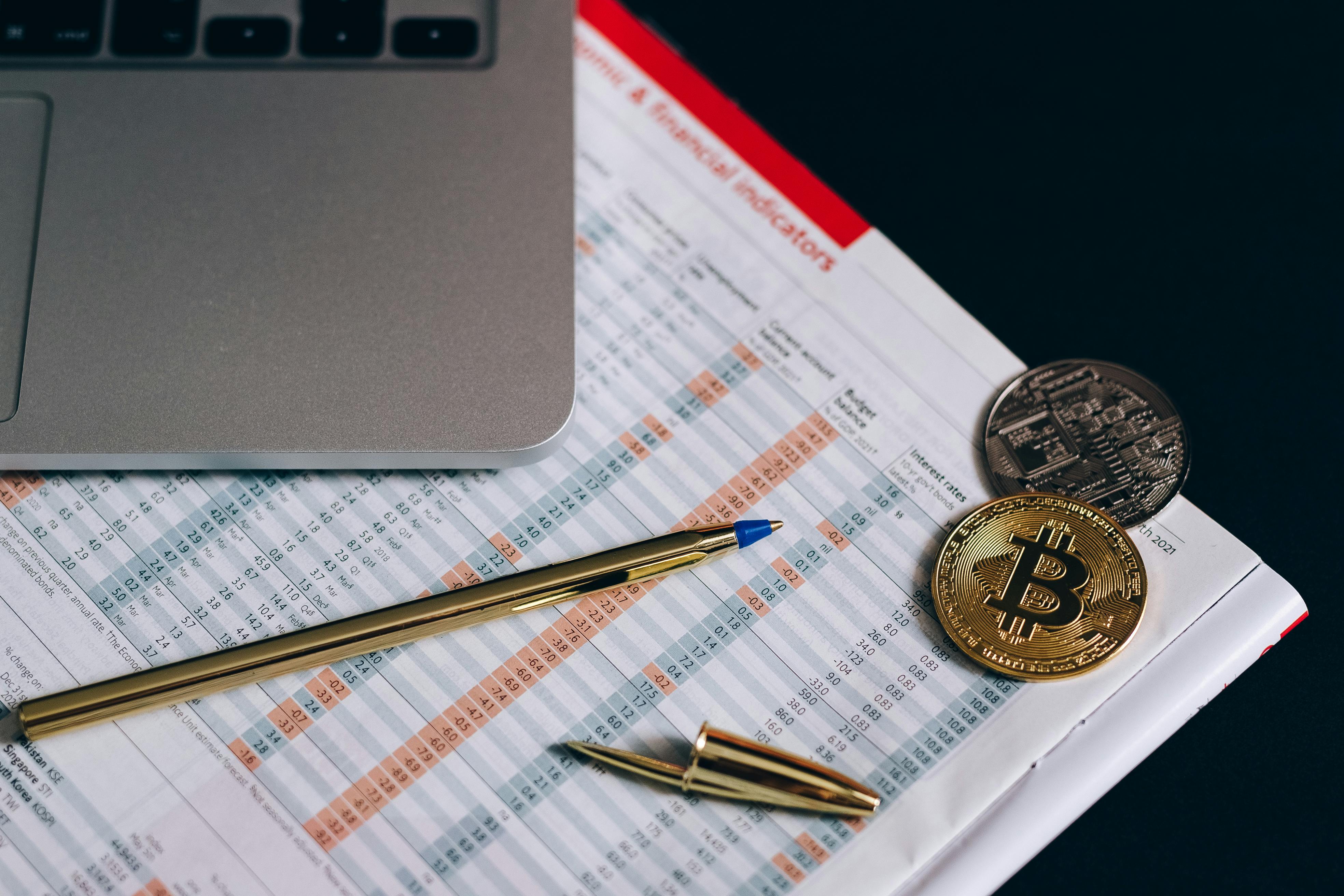
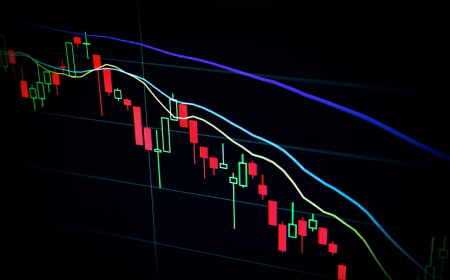
In a dramatic turn of events, US financial markets experienced a significant and sudden drop on Thursday, sending shockwaves through Wall Street and prompting immediate reactions from investors, analysts, and government officials. The Dow Jones Industrial Average fell by over 800 points, representing a decline of approximately 2.5%, while the S&P 500 and NASDAQ Composite followed suit, shedding 2.3% and 2.8%, respectively.
The sell-off began in the early hours of trading, with investors reacting to a confluence of economic reports that raised alarms about the resilience of the US economy. A report from the Labor Department indicated a surprising uptick in jobless claims, suggesting weakening employment trends. Concurrently, the Bureau of Economic Analysis released data showing a slowdown in consumer spending, a critical driver of economic growth. The combination of these two reports raised fears that the Federal Reserve's aggressive interest rate hikes over the past year might be having a more profound impact on the economy than previously anticipated.
Market analysts point to the possibility that investor sentiment has been further dampened by geopolitical tensions abroad, including ongoing conflicts and uncertainty related to global supply chains. The combination of domestic economic indicators and international instability has created an atmosphere of caution, leading many traders to reassess their positions. "It’s a perfect storm," said Jessica Tran, a senior market strategist at Capital Group. "Investors are grappling with the dual threats of economic slowdown and geopolitical risk, and when sentiment shifts, it can lead to rapid sell-offs."
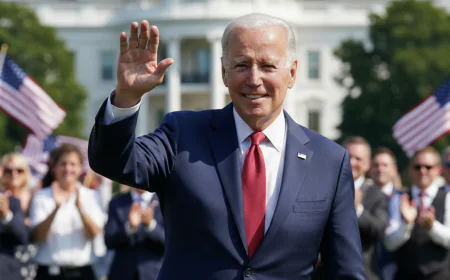
In response to the market turmoil, the White House issued a statement emphasizing its commitment to economic stability. Press Secretary Karine Jean-Pierre addressed the press, asserting that while the administration is closely monitoring the situation, the fundamentals of the US economy remain strong. "We have faced challenges before, but we are confident in our ability to navigate these turbulent waters," she said. Jean-Pierre highlighted the administration's focus on job creation and infrastructure investment as key components of its strategy to bolster the economy.
However, the swift decline in market indices has left many investors concerned about the immediate implications for their portfolios. Investors are particularly worried about the potential for a recession, as the data released signals that the economy may not be able to sustain its previous growth trajectory. Financial analysts are urging caution, recommending that investors consider diversifying their portfolios and exploring safer investment options, such as treasury bonds or stable dividend-paying stocks.
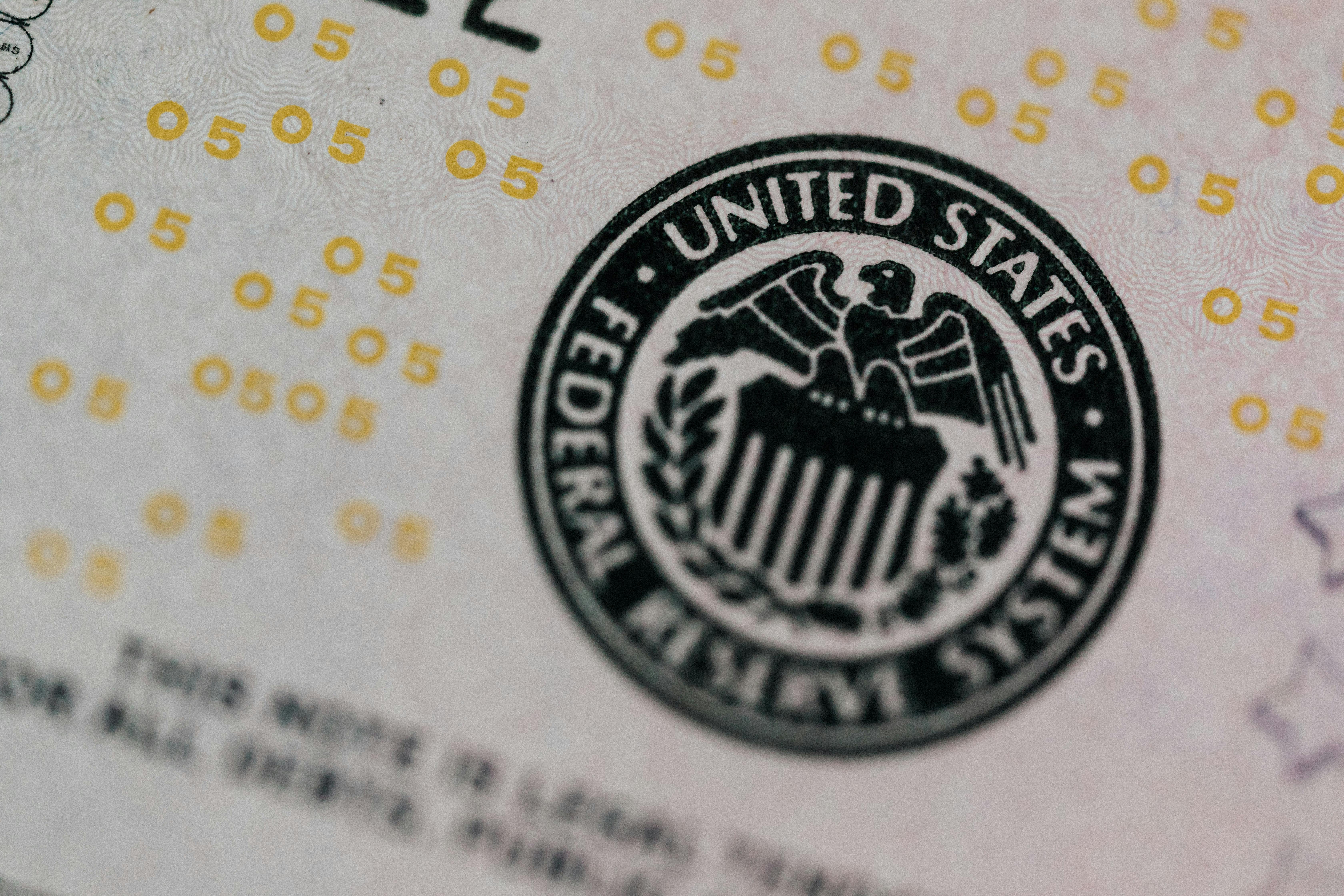
The volatility in the markets has also prompted discussions around the Federal Reserve's next steps. With inflation remaining stubbornly high despite previous rate increases, the Fed may face a dilemma: continue to combat inflation aggressively or pivot to support economic growth amid signs of a slowdown. The next Federal Open Market Committee meeting, scheduled for later this month, will be closely watched by investors seeking clarity on the central bank's future policy direction.
As trading continued throughout the day, analysts noted that the market's reaction could set the stage for further volatility in the coming weeks. Many are now questioning whether this is a temporary setback or a sign of deeper, underlying issues within the economy. "It's crucial for investors to remain informed and agile," said Tran. "The landscape can change rapidly, and those who are prepared may find opportunities amidst the uncertainty."
As the dust begins to settle, the question on the minds of many remains: What will it take for the markets to regain their footing? For now, all eyes are on the economic indicators and the White House's forthcoming actions in response to this unexpected market upheaval.
Strategic Financial Outlook and Market Dynamics
The current economic indicators suggest a period of recalibration for both individual investors and large-scale institutions. Analysts emphasize that navigating this volatility requires a multifaceted approach, blending traditional risk management with an awareness of emerging global trends. The correlation between consumer spending shifts and broader fiscal policies is becoming more pronounced, forcing businesses to adapt their long-term growth strategies. As central banks continue to monitor these fluctuations, transparency and proactive communication will remain key factors in maintaining market confidence and economic stability through the next fiscal year.
Article written by: Robert H. Miller
What's Your Reaction?
 Like
0
Like
0
 Dislike
0
Dislike
0
 Love
0
Love
0
 Funny
0
Funny
0
 Angry
0
Angry
0
 Sad
0
Sad
0
 Wow
0
Wow
0