






















































:max_bytes(150000):strip_icc():format(webp)/iphone-17-pro-d7ae6571d5b147ab8312e83b4d30a5a9.jpg)















Federal Reserve Signals Potential Shift in Interest Rate Strategy Amid Inflation Concerns
In a significant development that could reshape the economic landscape, the Federal Reserve announced new signals regarding its approach to interest rates during its latest policy meeting. The central bank's commentary on inflation and the broader economic outlook has sent ripples through financial markets, prompting analysts and investors to recalibrate their expectations for the near future.
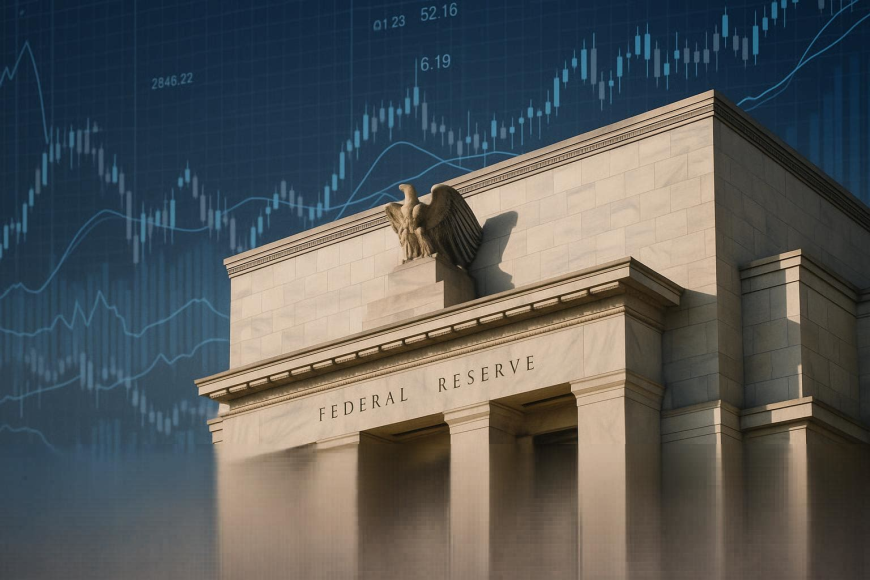
During a press conference following the Federal Open Market Committee (FOMC) meeting, Federal Reserve Chair Jerome Powell emphasized that while inflation remains elevated, there are signs that price pressures may be moderating. "Our primary goal continues to be achieving a stable inflation rate at 2%. We are cautiously optimistic that the recent moderation in inflation data might signal a broader trend," Powell stated. The Fed's latest projections indicate a potential easing of interest rate hikes, depending on forthcoming economic data.
The Fed's decision to maintain the benchmark interest rate at the current range of 5.25% to 5.50% reflects a careful balance between fostering economic growth and addressing inflation. The central bank has raised rates aggressively over the past year in response to soaring inflation, which peaked at over 9% in 2022. However, recent data suggests that inflation has cooled to around 3.7%, offering some relief to policymakers and consumers alike.
Market reactions to the Fed's latest guidance have been swift and pronounced. U.S. stock indexes surged following the announcement, with the S&P 500 gaining 2.3% in intraday trading, as investors interpreted the Fed's dovish tone as a sign that the end of the rate-hiking cycle may be near. Bond markets also reflected this optimism, with yields on 10-year Treasury notes dropping, indicating increased demand for government debt.
Economists are now closely monitoring upcoming economic indicators, particularly employment data and consumer spending figures, which will provide further insight into the health of the economy and the trajectory of inflation. The Fed's decision to signal a pause in rate hikes is contingent on these indicators, as sustaining economic momentum while keeping inflation in check remains a complex challenge.

Moreover, Powell acknowledged the uncertainty surrounding the global economy, citing geopolitical tensions and supply chain disruptions that could impact inflationary pressures. "While we are seeing some positive signs, we must remain vigilant and prepared to respond to any shifts in the economic landscape," he cautioned.
Analysts predict that if inflation continues to decline and economic growth remains steady, the Fed may consider cutting rates by early next year, a strategy that could stimulate borrowing and investment. However, any decision to lower rates will be closely scrutinized, as the central bank must weigh the potential risks of reigniting inflation.
As the Fed navigates these challenging waters, the central bank's communication strategy will be critical in managing market expectations and maintaining public confidence. The coming months are likely to see increased scrutiny of the Fed's actions, especially as the U.S. heads into a presidential election year, where economic performance will be a key issue for voters.
In summary, the Federal Reserve's recent developments signify a potential shift in its monetary policy strategy, reflecting a delicate balance between combating inflation and supporting economic growth. As market participants adjust to the new signals, all eyes will be on upcoming economic data that will shape the Fed's decisions in the months ahead.
Strategic Financial Outlook and Market Dynamics
The current economic indicators suggest a period of recalibration for both individual investors and large-scale institutions. Analysts emphasize that navigating this volatility requires a multifaceted approach, blending traditional risk management with an awareness of emerging global trends. The correlation between consumer spending shifts and broader fiscal policies is becoming more pronounced, forcing businesses to adapt their long-term growth strategies. As central banks continue to monitor these fluctuations, transparency and proactive communication will remain key factors in maintaining market confidence and economic stability through the next fiscal year.
Article written by: Sarah Jenkins
What's Your Reaction?
 Like
0
Like
0
 Dislike
0
Dislike
0
 Love
0
Love
0
 Funny
0
Funny
0
 Angry
0
Angry
0
 Sad
0
Sad
0
 Wow
0
Wow
0