




















































:max_bytes(150000):strip_icc():format(webp)/iphone-17-pro-d7ae6571d5b147ab8312e83b4d30a5a9.jpg)














Unwavering Resilience: Understanding Palestinian Fortitude Amidst Conflict
Despite relentless bombardments and immense suffering, the Palestinian people display an enduring spirit, often perceived by outsiders as an indifference to violence. This long-form article explores the roots of this profound resilience, deeply intertwined with their faith, historical struggle, and communal solidarity, drawing parallels with Islamic teachings on perseverance and justice.
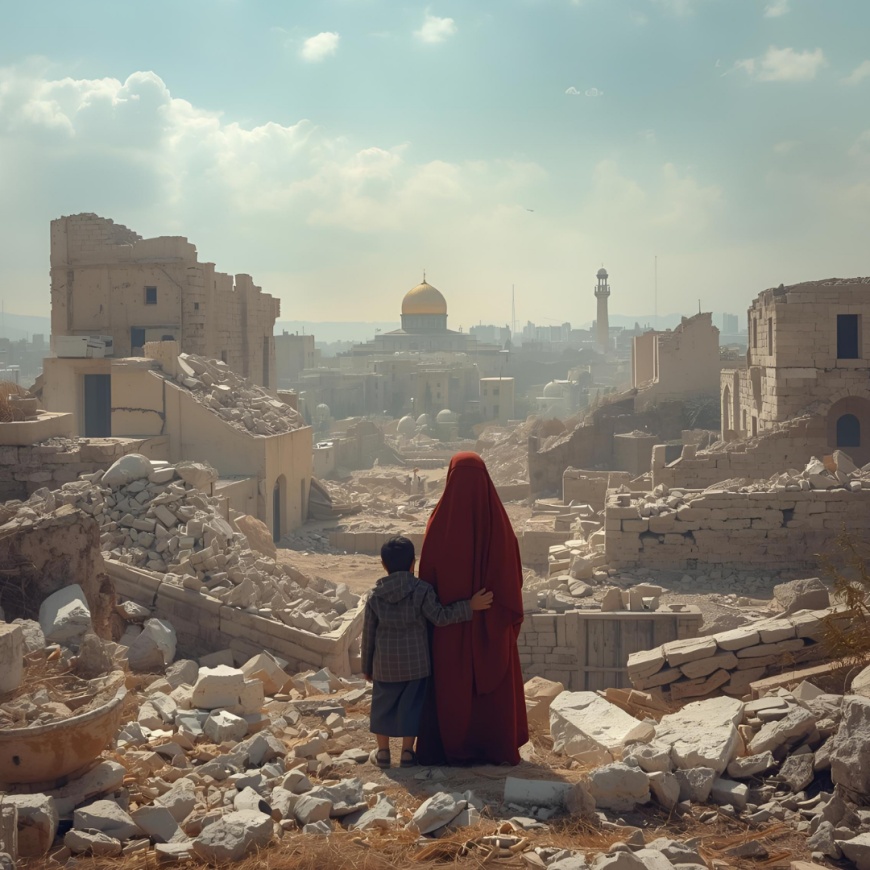
The ongoing conflict in Palestine, marked by successive military operations and profound humanitarian crises, frequently bewilders international observers. A common, yet often misconstrued, perception emerges: 'Why do these attacks seemingly not shake the Palestinians?' This question, while appearing to imply a lack of emotional response, fundamentally misunderstands the deep-seated fortitude and spiritual resolve that underpins Palestinian society. It is not an absence of pain, fear, or profound sorrow, but rather a testament to an unwavering resilience forged through generations of struggle, communal bonds, and an abiding faith that provides solace and purpose.
The Human Cost and Enduring Spirit:
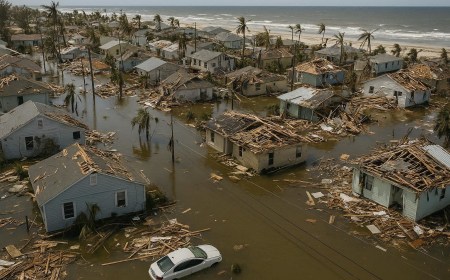
Behind every destroyed building, every displaced family, and every lost life lies an immense human tragedy. Palestinian families experience grief, trauma, and profound loss on a scale that few outside the region can fully comprehend. Homes are reduced to rubble, livelihoods are shattered, and children bear the psychological scars of relentless violence.
Yet, amidst this devastation, a powerful sense of steadfastness, or 'sumud' (صمود) in Arabic, prevails. This is not apathy; it is a conscious decision to remain, to rebuild, and to persist in the face of overwhelming odds. It is a form of spiritual and cultural resistance that seeks to normalize life even in the most abnormal circumstances.
The Role of Faith and Quranic Teachings:
For many Palestinians, their Islamic faith, as guided by the Holy Quran, serves as a cornerstone of this resilience. The Quran offers profound wisdom on patience (sabr), perseverance, trust in God (tawakkul), and the pursuit of justice. These teachings provide a framework for understanding and enduring hardship, transforming what might appear as stoicism into a powerful spiritual journey.
Patience (Sabr) and Perseverance:
The Quran frequently calls upon believers to exercise patience in adversity. Verses such as 'O you who have believed, seek help through patience and prayer. Indeed, Allah is with the patient.' (Quran 2:153) remind them that steadfastness in the face of trials is a virtue, and divine support is promised to those who persevere. This is not passive acceptance, but an active, enduring resistance against despair.
Trust in God (Tawakkul):
The belief that ultimately all matters are in God's hands provides immense comfort and strength. 'And whoever relies upon Allah – then He is sufficient for him. Indeed, Allah will accomplish His purpose. Allah has already set for everything a [decreed] extent.' (Quran 65:3)
This conviction allows individuals to face existential threats with a sense of inner peace, knowing that their ultimate fate is beyond human control, yet their efforts are divinely observed.
Justice and Upholding Rights:
Islam places a strong emphasis on justice ('adl) and standing against oppression (zulm). The Quran commands believers to 'be persistently [upholders of] justice, witnesses for Allah, even if it be against yourselves or parents and relatives...' (Quran 5:8).
This principle fuels the Palestinian conviction in the righteousness of their cause and their right to self-determination and dignity. It transforms their struggle from a mere physical conflict into a moral and spiritual battle for what they believe is right. The protection of the innocent, especially children, is a fundamental tenet of Islamic jurisprudence and humanitarian ethics, further reinforcing their commitment to their land and people.
Life and Hope Amidst Despair:
While facing immense destruction, Islamic teachings also emphasize the value of life and the importance of rebuilding. The idea that life, even in hardship, is a test and an opportunity for reward in the hereafter fosters a sense of purpose beyond immediate suffering. This outlook cultivates hope for a better future, whether on this earth or in the afterlife, preventing total surrender to despair.
Communal Solidarity and Identity:
Beyond individual faith, the collective identity and solidarity within Palestinian communities are powerful engines of resilience. Families, neighborhoods, and the broader society act as a robust support network, sharing resources, providing emotional comfort, and collectively rebuilding. This strong sense of 'ummah' (community) and shared destiny prevents individuals from feeling isolated in their suffering, transforming individual pain into a collective struggle for survival and dignity.
Conclusion: To interpret Palestinian steadfastness as indifference is to profoundly misunderstand their reality. It is a complex tapestry woven from deep faith, a historical commitment to their land, unbreakable communal bonds, and an unwavering belief in justice. The 'unshaken' appearance is, in fact, the visible manifestation of 'sumud' – a testament to human spirit's capacity to endure, resist, and hope against seemingly insurmountable odds, deeply rooted in the profound wisdom and solace offered by their faith.
Comprehensive Global Context and Expert Insights
Taking a broader perspective on this matter reveals that it is part of a larger, interconnected series of global events. The nuances involved require a balanced analysis that considers historical context alongside immediate impacts. Observers suggest that as more data becomes available, the long-term significance of this development will become clearer, potentially influencing policy and public perception across various regions. Our editorial team remains dedicated to monitoring these trends closely, ensuring that our readers receive the most accurate and in-depth information as the situation continues to unfold in the coming months.
Article written by: Robert H. Miller
What's Your Reaction?
 Like
0
Like
0
 Dislike
0
Dislike
0
 Love
0
Love
0
 Funny
0
Funny
0
 Angry
0
Angry
0
 Sad
0
Sad
0
 Wow
2
Wow
2