


















































:max_bytes(150000):strip_icc():format(webp)/iphone-17-pro-d7ae6571d5b147ab8312e83b4d30a5a9.jpg)














The Global Fashion Industry's Pivot from Celebrity to Micro-Influencers
A column piece analyzing the strategic shift in the global fashion industry from relying on mega-celebrities to utilizing smaller, highly-engaged micro-influencers.
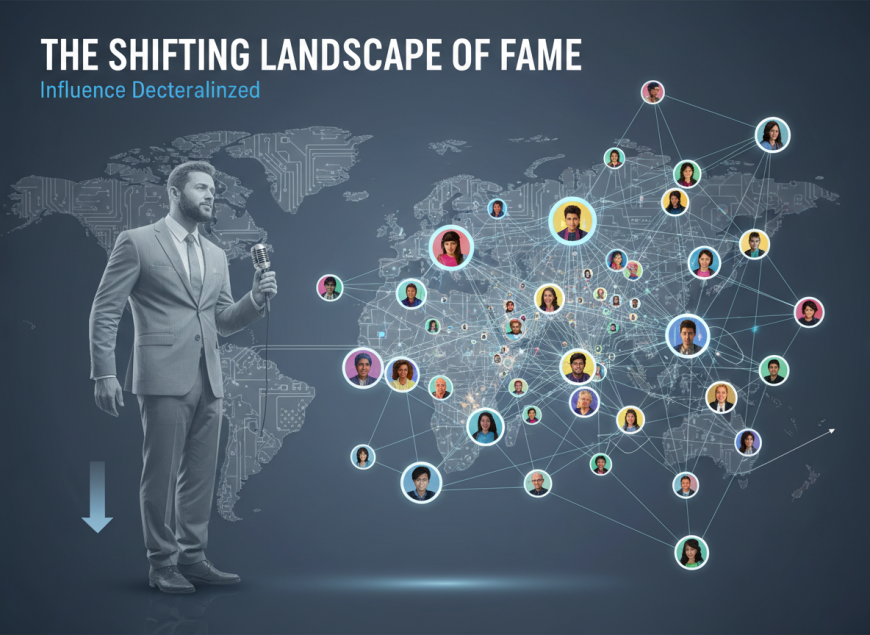
In a significant shift within the global fashion industry, brands are increasingly turning away from high-cost celebrity endorsements in favor of partnering with micro-influencers. This strategic pivot highlights a growing recognition of the unique value these smaller, niche voices bring to the table in terms of authenticity and engagement, offering a more substantial return on investment (ROI) than their celebrity counterparts.
For years, fashion brands have relied heavily on celebrity endorsements to generate buzz and drive sales. This traditional model capitalized on the broad reach and aspirational appeal of global stars. However, a combination of consumer fatigue with overtly commercialized campaigns and the rise of social media has paved the way for a new breed of influencers who resonate more deeply with targeted audiences.
Micro-influencers, typically defined as social media personalities with followers ranging from 1,000 to 100,000, have carved out a niche by cultivating a strong sense of community and trust among their audience. Unlike celebrities who often engage in multiple endorsements, potentially diluting their impact, micro-influencers maintain a more personal and direct line of communication with their followers. This connection fosters a level of authenticity that larger stars often struggle to replicate.
A survey conducted by the Influencer Marketing Hub revealed that 82% of consumers are more likely to follow a recommendation made by a micro-influencer. This statistic reflects a broader trend where consumers seek genuine reviews and relatable content over glossy, high-budget campaigns. As a result, fashion brands are reallocating budgets once reserved for celebrity endorsements towards partnerships with micro-influencers who can offer targeted reach and higher engagement rates.
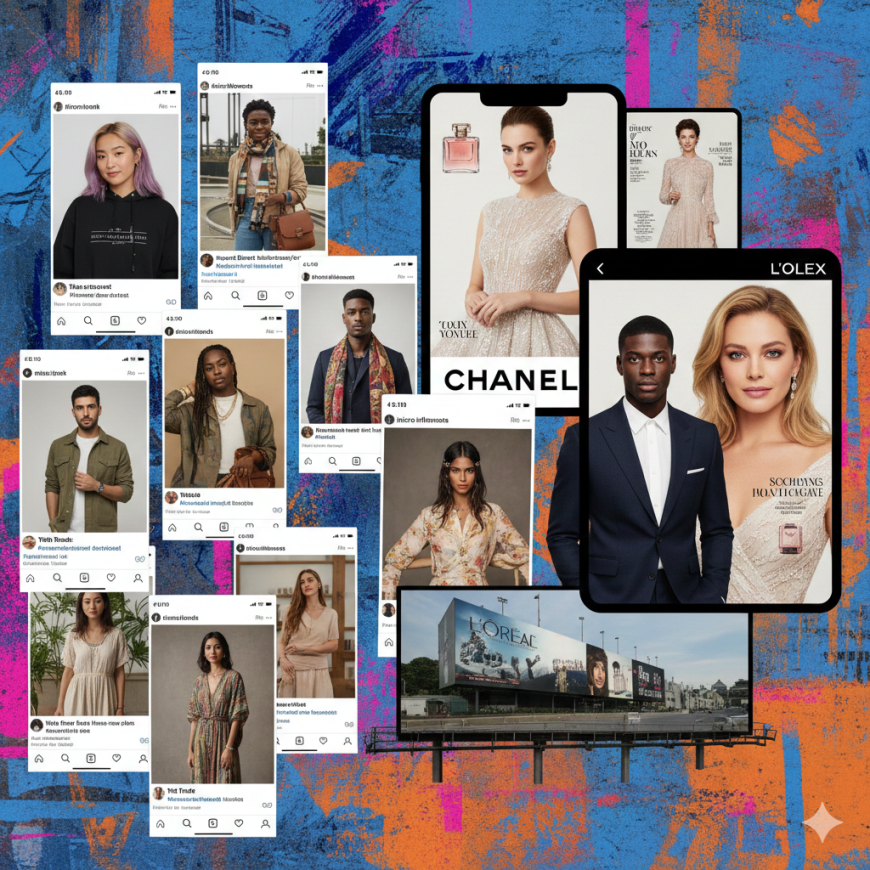
The financial implications of this shift are notable. Celebrity endorsements can cost brands millions of dollars, while collaborations with micro-influencers often come at a fraction of the price. This cost-effectiveness, combined with the potential for higher engagement, makes micro-influencers an attractive proposition for brands aiming to optimize their marketing spend.
Moreover, the rise of micro-influencers aligns with the growing demand for inclusivity and diversity within the fashion industry. These influencers often come from varied backgrounds and represent a wide array of body types, ethnicities, and personal styles, allowing brands to connect with a broader audience. This diversity not only enhances brand image but also fosters a more inclusive fashion community.
However, the transition isn't without its challenges. Brands must carefully select micro-influencers whose values and aesthetics align with their own. Due diligence is crucial to ensure that collaborations are mutually beneficial and resonate authentically with the target audience. Additionally, the decentralized nature of micro-influencer marketing requires brands to manage numerous relationships, which can be resource-intensive.
Nevertheless, the benefits of engaging with micro-influencers are increasingly outweighing these challenges. As the fashion industry continues to evolve, the ability of micro-influencers to drive meaningful engagement and foster genuine connections is proving invaluable. Brands that successfully harness this trend are likely to see significant advantages in terms of brand loyalty and market share.
In conclusion, the shift from celebrity endorsements to micro-influencer partnerships represents a broader transformation within the fashion industry, one that prioritizes authenticity and engagement over traditional star power. As consumers continue to demand genuine interactions and relatable content, the role of micro-influencers is set to grow, redefining the landscape of fashion marketing for years to come.
Comprehensive Global Context and Expert Insights
Taking a broader perspective on this matter reveals that it is part of a larger, interconnected series of global events. The nuances involved require a balanced analysis that considers historical context alongside immediate impacts. Observers suggest that as more data becomes available, the long-term significance of this development will become clearer, potentially influencing policy and public perception across various regions. Our editorial team remains dedicated to monitoring these trends closely, ensuring that our readers receive the most accurate and in-depth information as the situation continues to unfold in the coming months.
Article written by: David Sterling
What's Your Reaction?
 Like
0
Like
0
 Dislike
0
Dislike
0
 Love
0
Love
0
 Funny
0
Funny
0
 Angry
0
Angry
0
 Sad
0
Sad
0
 Wow
0
Wow
0