














































:max_bytes(150000):strip_icc():format(webp)/iphone-17-pro-d7ae6571d5b147ab8312e83b4d30a5a9.jpg)















Global Economic Stability: The Imperative of Cooperation Over Competition
A leading international economics editorial advocating for renewed global cooperation among major economies to prevent a synchronized worldwide recession.

As the world grapples with unprecedented economic turbulence, the need for international cooperation has never been more pressing. The confluence of rising inflation, supply chain disruptions, and geopolitical tensions has created an environment where the traditional models of competition among nations are proving insufficient. In this critical juncture, it is essential for the G7 and BRICS nations to prioritize collaboration over nationalism in order to ensure global economic stability and long-term prosperity.
The economic landscape of 2023 is marked by challenges that transcend borders. The lingering effects of the COVID-19 pandemic continue to impact economies, while the war in Ukraine exacerbates energy crises and inflationary pressures worldwide. These phenomena have not only strained individual nations but have also highlighted the interconnected nature of our global economy. In light of these realities, the time has come to shift our focus from competitive posturing to cooperative solutions.
One of the most pressing issues requiring joint action is international trade. Trade disputes and protectionist policies have proliferated as nations seek to safeguard their own interests. However, this approach risks plunging the global economy into a downward spiral. The G7 nations, which include some of the world's largest economies, must recognize that their prosperity is inextricably linked to that of developing nations, particularly those within the BRICS group—Brazil, Russia, India, China, and South Africa. By fostering an environment of open trade and dialogue, both groups can work towards stabilizing supply chains and enhancing economic resilience.
Moreover, debt relief is a critical area where collaboration is essential. Many developing countries are facing unsustainable debt levels, exacerbated by the pandemic and the economic fallout from the Ukraine conflict. As interest rates rise and global financial conditions tighten, these countries are at risk of default, which could have catastrophic implications not only for their own populations but also for the global economy. A coordinated effort amongst G7 and BRICS nations to provide debt relief initiatives and restructure existing loans is imperative. Such measures would not only alleviate immediate financial burdens but also create a more stable economic environment conducive to growth and development.
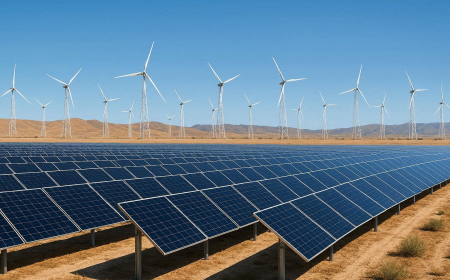
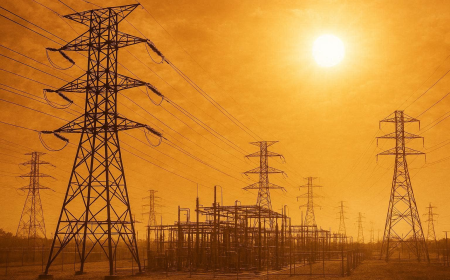
Energy transition is another pivotal issue that demands unprecedented collaboration. The urgent shift towards sustainable energy sources is necessary to combat climate change, yet it presents significant challenges and opportunities for nations worldwide. The G7, with its advanced technologies and financial capabilities, can play a vital role in supporting BRICS nations in their energy transition efforts. Collaborative investments in renewable energy infrastructure, technology transfer, and capacity building can accelerate the global shift towards greener energy systems, while also addressing energy security concerns.
Furthermore, it is essential for both G7 and BRICS countries to engage in meaningful dialogue about regulatory frameworks and standards that can facilitate sustainable economic growth. By harmonizing regulations and standards, nations can reduce trade barriers and foster innovation, allowing for a more cohesive global market that benefits all parties involved.
In conclusion, the current global economic headwinds necessitate a paradigm shift towards cooperation and collaboration. The challenges we face are too complex and interconnected for any single nation to address alone. The G7 and BRICS nations must recognize that their economic futures are linked and that by working together, they can create a more stable and prosperous world. Prioritizing joint efforts on trade, debt relief, and energy transition is not only a moral imperative but also a strategic necessity. The time for competition has passed; now is the moment for unprecedented collaboration, for the sake of our global economy and the generations to come.
Comprehensive Global Context and Expert Insights
Taking a broader perspective on this matter reveals that it is part of a larger, interconnected series of global events. The nuances involved require a balanced analysis that considers historical context alongside immediate impacts. Observers suggest that as more data becomes available, the long-term significance of this development will become clearer, potentially influencing policy and public perception across various regions. Our editorial team remains dedicated to monitoring these trends closely, ensuring that our readers receive the most accurate and in-depth information as the situation continues to unfold in the coming months.
Article written by: Robert H. Miller
What's Your Reaction?
 Like
0
Like
0
 Dislike
0
Dislike
0
 Love
0
Love
0
 Funny
0
Funny
0
 Angry
0
Angry
0
 Sad
0
Sad
0
 Wow
0
Wow
0