



































The American Infrastructure Bill: A Comprehensive Analysis of Funding Allocation and Long-Term Impact
A thorough policy analysis of the massive US infrastructure spending bill, detailing where the funds are being allocated and the projected return on investment.
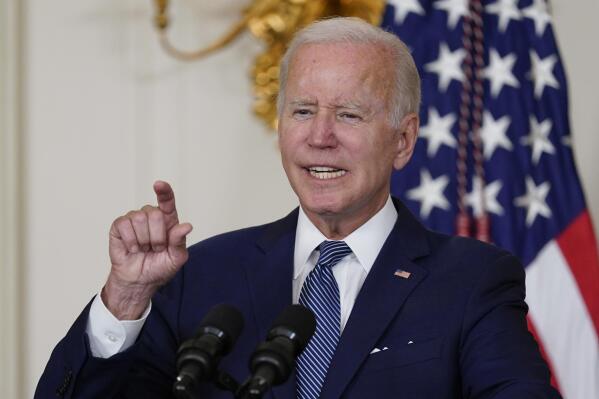
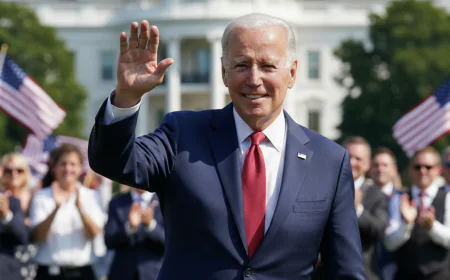
In November 2021, President Joe Biden signed into law the Bipartisan Infrastructure Law, a monumental piece of legislation aimed at revitalizing America's crumbling infrastructure. This landmark bill allocates approximately $1.2 trillion, with about $550 billion in new federal spending, to address critical needs across the nation. As states and local governments begin to navigate the complexities of funding allocation, a closer examination reveals the bill's focus areas, political compromises, and anticipated long-term impacts on employment and economic competitiveness.
**Funding Allocation Breakdown**
The infrastructure bill encompasses a wide array of investment priorities, each designed to address urgent infrastructure needs. The following breakdown provides insights into the major allocations:
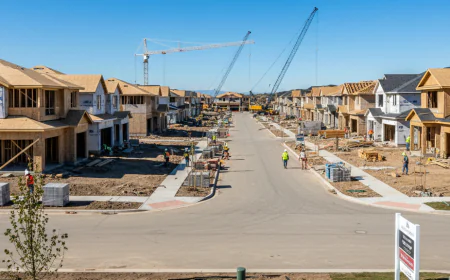
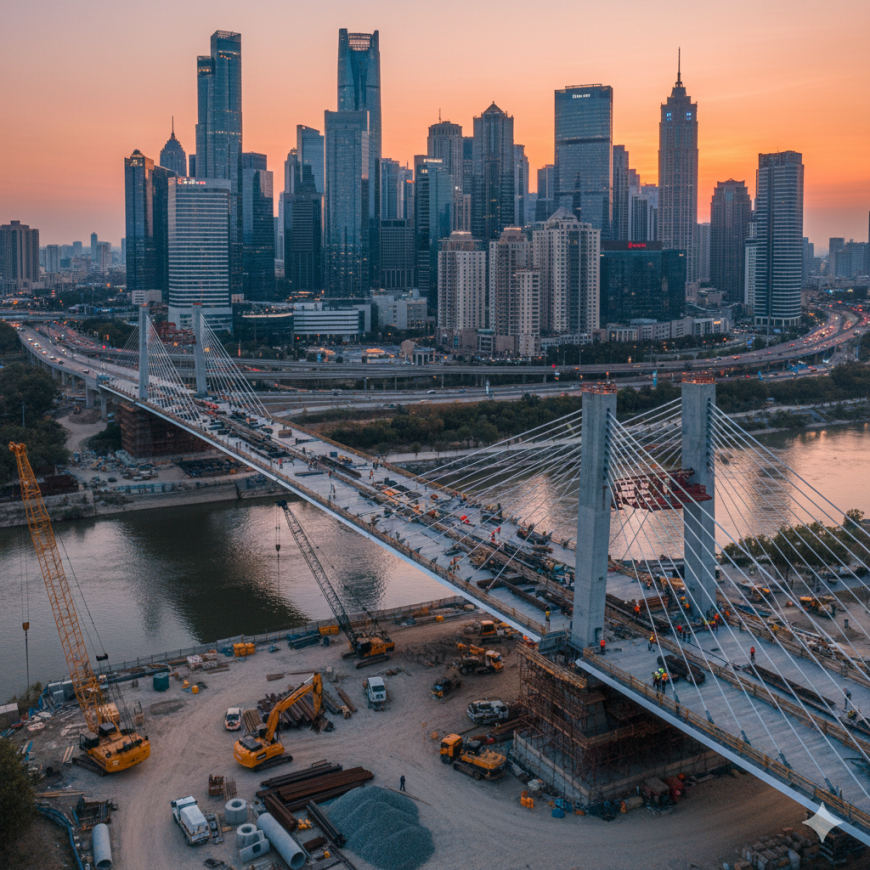
1. **Transportation Infrastructure**: A significant portion of the funding, approximately $110 billion, is earmarked for roads, bridges, and major projects. This investment aims to repair and modernize the nation’s transportation network, addressing the urgent need to fix the estimated 173,000 miles of roads and 45,000 bridges in disrepair.
2. **Public Transit**: The bill allocates $39 billion to public transit systems, promoting a shift towards more sustainable modes of transportation. This funding aims to enhance accessibility and reliability for millions of Americans who rely on public transit daily.
3. **Broadband Internet**: Recognized as a vital utility in the modern era, $65 billion is dedicated to expanding broadband access, particularly in underserved rural areas. This investment intends to bridge the digital divide, ensuring equitable access to high-speed internet for all Americans.
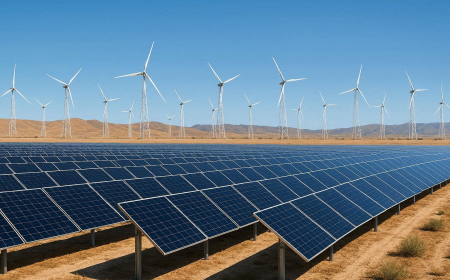
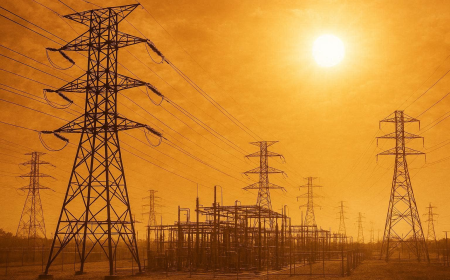
4. **Clean Energy and Environmental Resilience**: Approximately $73 billion is set aside for clean energy initiatives, including the modernization of the electric grid and investments in renewable energy sources. This funding is crucial for addressing climate change and transitioning to a sustainable economy.
5. **Water Infrastructure**: To ensure safe drinking water, $55 billion is allocated for upgrading water infrastructure, which includes replacing lead pipes and improving wastewater management systems.
6. **Rail and Freight**: The bill also includes $66 billion for rail infrastructure, aiming to enhance freight and passenger rail services while promoting a shift from road to rail transport.
**Political Compromises and Bipartisan Support**
The passage of the infrastructure bill was not without its challenges. Achieving bipartisan support required significant compromises among lawmakers. Originally, the Biden administration proposed a more expansive plan that included provisions related to social spending and climate change initiatives. However, to secure Republican support, many of these components were scaled back or eliminated entirely.
The final bill showcased a pragmatic approach, emphasizing traditional infrastructure needs while sidelining more progressive elements concerning climate and social equity. This compromise reflects the polarized political landscape in the U.S. Congress, where achieving consensus on major legislation has become increasingly difficult.
**Anticipated Long-Term Effects on Employment and Economic Competitiveness**
As the funding begins to flow into various projects across the country, experts anticipate several significant impacts on regional employment and economic competitiveness.
1. **Job Creation**: The infrastructure bill is projected to create millions of jobs, particularly in construction and related fields. The investments in roads, bridges, and public transit systems will require a substantial workforce, providing opportunities for skilled labor and supporting local economies.
2. **Economic Growth**: By improving transportation networks and broadband access, the bill is expected to enhance economic productivity. Efficient transportation systems reduce the costs of goods and services, while reliable internet access fosters innovation and entrepreneurship.
3. **Regional Disparities**: While the bill aims to address infrastructure needs nationwide, its benefits may not be evenly distributed. Regions with existing infrastructure challenges may experience a more pronounced economic uplift, while others may see slower growth if funding is not allocated strategically.
4. **Environmental Impact**: The focus on clean energy and sustainable infrastructure is anticipated to have long-term benefits for the environment. Investments in renewable energy and modernization of the power grid are expected to lead to reduced carbon emissions, contributing to the fight against climate change.
5. **Global Competitiveness**: Experts argue that a robust infrastructure system is critical for maintaining America’s competitive edge in the global economy. Improved transportation and communication networks will enhance the country’s ability to trade and attract foreign investment.
**Conclusion**
The Bipartisan Infrastructure Bill represents a historic commitment to rebuilding and modernizing America's infrastructure. While it is a significant step forward, the true measure of its success will depend on effective implementation and management of the allocated funds. As states and local governments work to translate legislative intentions into tangible results, the focus will remain on whether this monumental investment can deliver on its promise of revitalizing the nation’s infrastructure, creating jobs, and fostering long-term economic prosperity. As the effects of this legislation unfold, all eyes will be on the regions most impacted, eager to see if the anticipated benefits materialize and how they reshape the American economic landscape for generations to come.
What's Your Reaction?
Like
0
Dislike
0
Love
0
Funny
0
Angry
0
Sad
0
Wow
0